

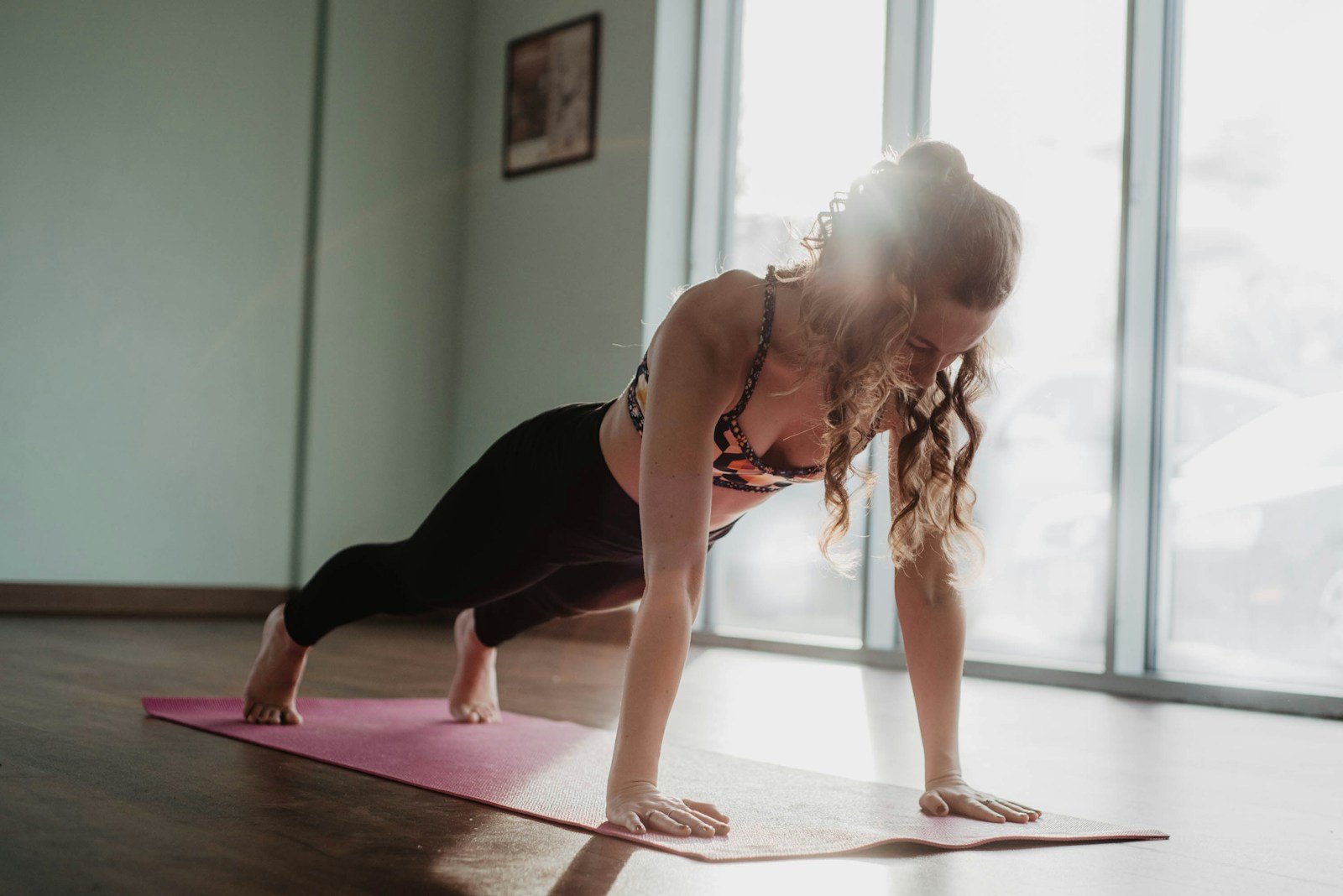
Running is one of the simplest sports in the world. No elaborate equipment, no special venue, no complicated rules—just a pair of legs, a stretch of road, and the steady rhythm of breath. Yet for something so basic, what you wear while running can make a remarkable difference. The right outfit can keep you comfortable, confident, and injury-free. The wrong one can distract you, slow you down, or even cut a promising run short. Choosing a running outfit is not about chasing trends or copying professionals; it is about understanding your body, your environment, and your goals.
At first glance, running clothes may all look similar. Shorts are shorts, shirts are shirts, and shoes—though endlessly varied—still seem to serve the same purpose. But anyone who has finished a long run with chafed skin, soggy socks, or overheated shoulders knows that details matter. Fabric, fit, layering, and weather considerations work together to create an outfit that either supports your movement or fights against it.
The foundation of any running outfit is fabric. Cotton, though soft and familiar, is rarely a runner’s friend. It absorbs sweat, holds moisture, and becomes heavy and abrasive as the miles pass. Instead, most runners turn to technical fabrics designed to wick moisture away from the skin and dry quickly. Polyester blends, nylon, and merino wool are popular choices. These materials regulate temperature more effectively and reduce the risk of chafing.
Merino wool deserves special mention. Unlike traditional wool, it is lightweight, breathable, and surprisingly soft. It keeps you warm in cool weather and cool in heat, making it an excellent choice for runners who face changing conditions. Synthetic fabrics, meanwhile, often include mesh panels or ventilation zones that enhance airflow. When choosing a top or bottom, rubbing the fabric between your fingers can offer clues about how it will feel against your skin over time.
Fit is the next essential consideration. Running clothes should neither cling uncomfortably nor flap excessively. A well-fitted shirt skims the body without restricting movement. Shorts and leggings should stay in place without constant adjustment. Waistbands deserve particular attention; too tight and they dig in, too loose and they slide down with every stride.
Body type and personal comfort play a role here. Some runners prefer loose silhouettes that allow air to circulate freely. Others feel more supported in compression garments that hug the muscles. Compression wear, often praised for improving circulation and reducing muscle fatigue, can also provide a sense of stability. Whether the science fully supports these claims or not, the psychological comfort alone can be valuable.
Weather is perhaps the most powerful influence on what you wear. Dressing for the temperature on the thermometer is rarely enough. Wind, humidity, sunlight, and the duration of your run all shape what will feel right once you are moving.
In warm conditions, minimalism often wins. Lightweight tank tops, breathable shorts, and moisture-wicking socks keep the body cool. Light colors reflect sunlight, while darker shades absorb heat. A cap or visor shields the eyes and face, and sunglasses protect vision while reducing squint-induced tension.
Cold weather requires a more thoughtful strategy, often described as dressing in layers. The base layer sits closest to the skin and manages moisture. A mid-layer provides insulation, trapping warmth without overheating. The outer layer shields against wind and rain. The key is balance. Overdressing can lead to excessive sweating, which then chills the body as moisture cools. A common rule of thumb is to dress as if the weather is about ten degrees warmer than it actually is, trusting that your body heat will rise quickly once you begin.
Rain adds another challenge. Water-resistant jackets can keep you dry, but full waterproofing often sacrifices breathability. Many runners choose light shells that block wind and light rain while allowing sweat to escape. In wet conditions, seam placement becomes important, as poorly designed seams can rub and irritate skin.
Shoes, of course, are the centerpiece of any running outfit. While this essay focuses on clothing, footwear cannot be ignored. The right shoes support your gait, protect your joints, and influence your entire running experience. Shoe choice depends on foot shape, stride pattern, and terrain. Road running, trail running, and treadmill running all place different demands on footwear.
Equally important, though often overlooked, are socks. Thick cotton socks can bunch up, trap moisture, and cause blisters. Technical running socks, made from moisture-wicking fibers and designed with targeted cushioning, help keep feet dry and reduce friction. Some runners swear by toe socks, which separate each toe to prevent rubbing. Others prefer seamless designs that eliminate pressure points.
Support garments also deserve attention. For many runners, a well-fitted sports bra is as essential as good shoes. It minimizes movement, reduces discomfort, and protects delicate tissue from strain. The level of support needed varies with body type and running intensity. Trying on bras while mimicking running motion—jumping, jogging in place—can reveal whether a style truly works.
Men, too, benefit from supportive underwear or built-in liners that prevent excessive movement and reduce chafing. These details may seem small, but over long distances they can mean the difference between a satisfying run and a painful one.
Seasonal changes invite adjustments beyond layering. In summer, sun protection becomes part of your outfit. Ultraviolet rays reflect off pavement and water, increasing exposure. Lightweight long-sleeve tops with UV protection, arm sleeves, and wide-brimmed caps offer defense without adding much heat. In winter, gloves, thermal headbands, and neck gaiters preserve warmth in extremities where heat escapes quickly.
Visibility is another practical concern, especially for those who run early in the morning or after dark. Reflective strips, bright colors, and clip-on lights make runners more visible to drivers and cyclists. Some garments now incorporate reflective thread woven directly into the fabric, combining safety with style.
Style, though secondary to function, still matters. What you wear can influence how you feel about running itself. An outfit that fits well and looks good can boost confidence and motivation. Color choices, patterns, and design details allow runners to express personality even while sweating. For some, this expression becomes part of the ritual, transforming running from a chore into a form of self-care.
Sustainability has begun to reshape running fashion as well. Many brands now offer garments made from recycled plastics, organic fibers, or biodegradable materials. Choosing these options allows runners to align their sport with environmental values. Durability also plays a role in sustainability. A well-made pair of leggings that lasts several seasons is often a better choice than cheaper alternatives that wear out quickly.
Personal habits should guide outfit decisions as much as external factors. If you sweat heavily, prioritize breathability and ventilation. If you run long distances, seek garments with minimal seams and soft finishes to prevent chafing. If you carry keys, phones, or fuel, pockets and storage features become essential. Some shorts and tights include hidden waist pockets or thigh sleeves that keep items secure without bouncing.
It is also worth remembering that running outfits evolve with experience. Beginners may start with basic gear and gradually refine their choices as they learn what works. Over time, runners often develop favorite combinations for different conditions: a trusted cold-weather jacket, a race-day singlet, a pair of shorts that never rides up.
Trying clothes on and testing them in motion is crucial. What feels fine in a fitting room may behave differently after five kilometers. Short test runs can reveal problems before they become painful surprises on race day.
-
A Practical and Human Approach to Running Wear
Summary
Clear, engaging, and grounded in real experience, this essay explains how thoughtful clothing choices can transform a run. It balances technical insight with everyday practicality, addressing comfort, weather, fit, and personal habit. The piece reads naturally, guiding runners to dress with awareness rather than trend-driven impulse.