

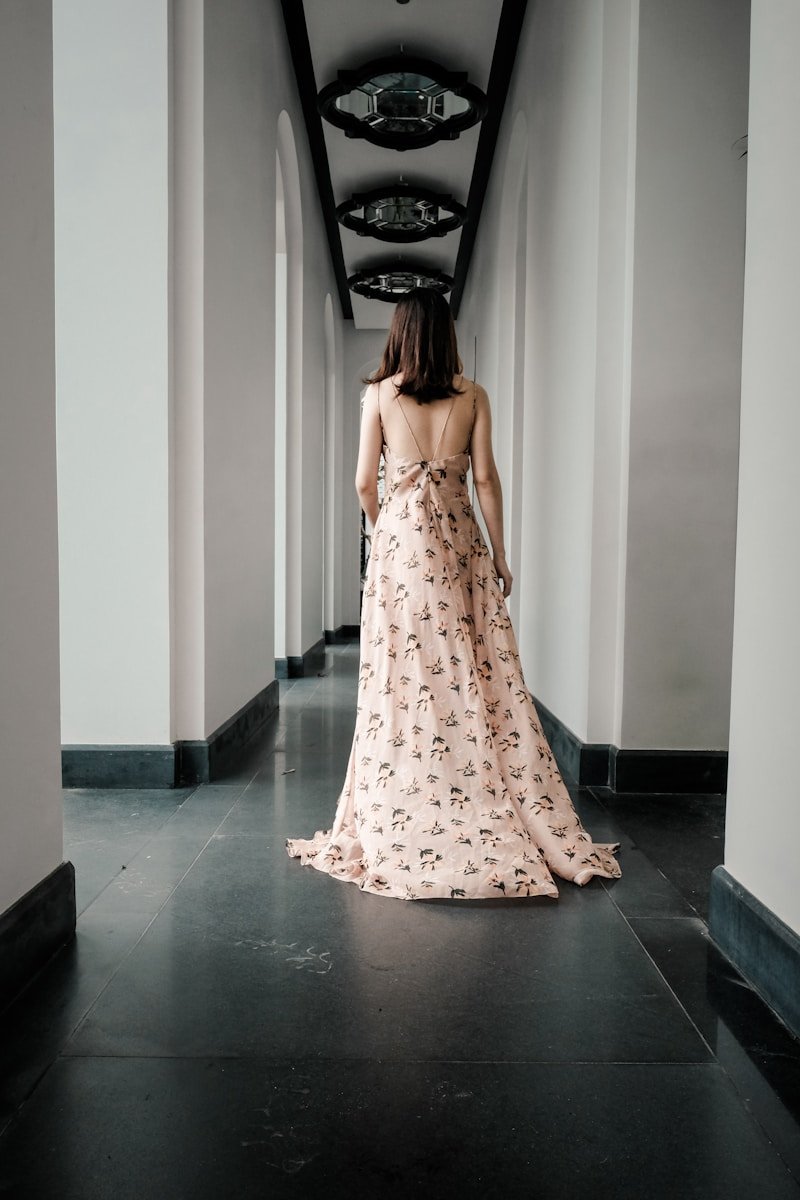
Luxury in fashion is a word used so often that it risks losing its meaning. Store windows glitter with gold lettering, marketing campaigns promise exclusivity, and price tags alone are sometimes treated as proof of refinement. Yet anyone who has ever held a beautifully made garment, or worn a piece that seemed to fit both body and spirit perfectly, knows that true luxury cannot be reduced to a logo or a number. It is a complex idea shaped by craftsmanship, heritage, emotion, and an almost invisible sense of care. To understand what makes a fashion line genuinely luxurious, one must look beyond surface impressions and examine the deeper qualities that set exceptional creations apart.
At the heart of every luxury fashion line lies craftsmanship. Long before branding and global distribution, luxury was defined by the hands that shaped each piece. Skilled artisans spent years mastering techniques passed down through generations: stitching leather so fine it seemed seamless, weaving silk that caught the light with subtle elegance, cutting patterns with an intuitive understanding of the human form. Even today, when technology assists production, the most respected fashion houses still rely on human expertise for their finest work. Hand-finished seams, carefully aligned prints, and precisely tailored silhouettes are not accidents; they are the result of time, patience, and pride in the process.
This devotion to craft often reveals itself in the smallest details. The lining of a jacket may be as carefully chosen as the fabric on the outside. Buttons might be carved from horn or mother-of-pearl, chosen not only for beauty but for durability. Seams are reinforced where stress will occur, hems are weighted so they fall correctly, and patterns are matched so that stripes and plaids flow uninterrupted across the body. These details may go unnoticed by the casual observer, but they are felt by the wearer. A luxurious garment sits differently on the body. It moves with ease, holds its shape, and often becomes more beautiful with time.
Materials are another defining element of luxury. True luxury favors quality over quantity, selecting fabrics not only for their rarity but for their performance and longevity. Cashmere that grows softer with each wear, leather that develops a rich patina, silk that drapes effortlessly without losing strength—these materials are chosen with intention. Increasingly, luxury also means responsibility. Many high-end fashion lines now seek ethically sourced fibers, traceable supply chains, and environmentally conscious production methods. In this sense, luxury is no longer just about indulgence; it is about respect for the natural and human resources that make beauty possible.
Heritage and history play a powerful role in shaping luxury. Some of the world’s most admired fashion houses were founded not as empires, but as small workshops serving local clients. Over decades, and sometimes centuries, they built reputations through consistency, innovation, and an unwavering commitment to excellence. Their archives tell stories of changing silhouettes, evolving tastes, and moments when fashion intersected with art, politics, or social change. When someone wears a piece from such a house, they are not only wearing fabric; they are wearing a fragment of cultural memory.
Yet heritage alone does not guarantee luxury. A brand that clings too tightly to its past risks becoming a museum rather than a living creative force. The most successful luxury fashion lines balance tradition with reinvention. They honor their origins while daring to reinterpret them for a new generation. A classic handbag may appear in unexpected colors. A signature tailoring style may be softened to suit modern lifestyles. This dialogue between past and present keeps luxury relevant, ensuring that it feels timeless rather than outdated.
Exclusivity is often associated with luxury, but its meaning is more subtle than simple scarcity. True exclusivity arises from intention rather than restriction. Limited production allows designers to maintain quality control, but it also creates space for personalization and individuality. Custom fittings, made-to-measure services, and bespoke designs transform clothing into something deeply personal. In these moments, fashion becomes a collaboration between creator and wearer, resulting in pieces that reflect not only aesthetic ideals but personal stories.
Emotional connection is perhaps one of the most overlooked aspects of luxury. A truly luxurious fashion line does not simply clothe the body; it speaks to the heart. It may evoke confidence, nostalgia, desire, or a sense of belonging. Some people remember exactly where they were when they bought their first luxury item, or how it felt to wear a particular dress on an important day. These memories attach themselves to garments, giving them meaning far beyond their material value. In this way, luxury becomes an experience rather than an object.
Service and presentation also shape the perception of luxury. Walking into a refined boutique, being greeted by knowledgeable staff, and experiencing thoughtful attention to detail can transform shopping into a ritual. Packaging, too, plays a role: the weight of a box, the softness of tissue paper, the elegance of a ribbon. These gestures signal respect for the customer and for the item itself. They remind us that luxury is as much about how something is offered as what is being offered.
In the modern era, branding has become both a powerful tool and a potential trap. Logos can create instant recognition and status, but when branding becomes louder than design, it risks emptying luxury of its substance. Many discerning consumers now seek understated elegance rather than overt display. They favor pieces that whisper rather than shout, garments whose beauty reveals itself slowly to those who look closely. This quiet luxury reflects confidence: the assurance that quality does not need constant announcement.
Innovation, too, has become a crucial part of contemporary luxury. New technologies allow designers to experiment with advanced textiles, sustainable manufacturing methods, and digital customization. Luxury fashion lines that embrace innovation demonstrate that excellence is not static. They explore new ways to enhance comfort, performance, and environmental responsibility without compromising aesthetics. In doing so, they redefine luxury not as resistance to change, but as leadership in shaping the future of style.
Cultural relevance also matters. Fashion does not exist in isolation; it reflects and influences society. A truly luxurious fashion line understands its role in this conversation. It responds thoughtfully to changing attitudes about gender, identity, body diversity, and global interconnectedness. Inclusivity, once rare in high fashion, is increasingly recognized as a sign of true sophistication. Luxury that excludes without purpose feels hollow, while luxury that embraces diversity feels rich in both meaning and possibility.
Ultimately, what makes a fashion line truly luxury is not a single factor but a harmonious combination of many. It is the marriage of craftsmanship and creativity, heritage and innovation, beauty and responsibility. It is the ability to create objects that endure physically and emotionally, pieces that remain cherished long after trends have faded. It is the quiet confidence that comes from knowing something has been made with care, intention, and respect.
In a world saturated with images and instant gratification, true luxury stands apart through patience and depth. It invites us to slow down, to notice texture and fit, to appreciate the hands behind the work. It reminds us that fashion, at its finest, is not about consumption alone but about connection—to history, to artistry, and to ourselves.
As consumers become more thoughtful and selective, the definition of luxury continues to evolve. Yet its core remains unchanged. True luxury is not what everyone recognizes at a glance. It is what reveals itself over time, through wear, memory, and meaning. Beyond the label, beyond the price, beyond the spectacle, luxury lives in the quiet excellence of things made well, worn well, and loved for a lifetime.
-
A Refined Exploration of True Luxury in Fashion
Summary
This essay thoughtfully unpacks the meaning of luxury beyond logos and price tags. With elegant language and balanced insight, it highlights craftsmanship, heritage, emotion, and responsibility as defining forces. The piece feels reflective and credible, offering readers a deeper appreciation of what genuine luxury in fashion truly represents today.