

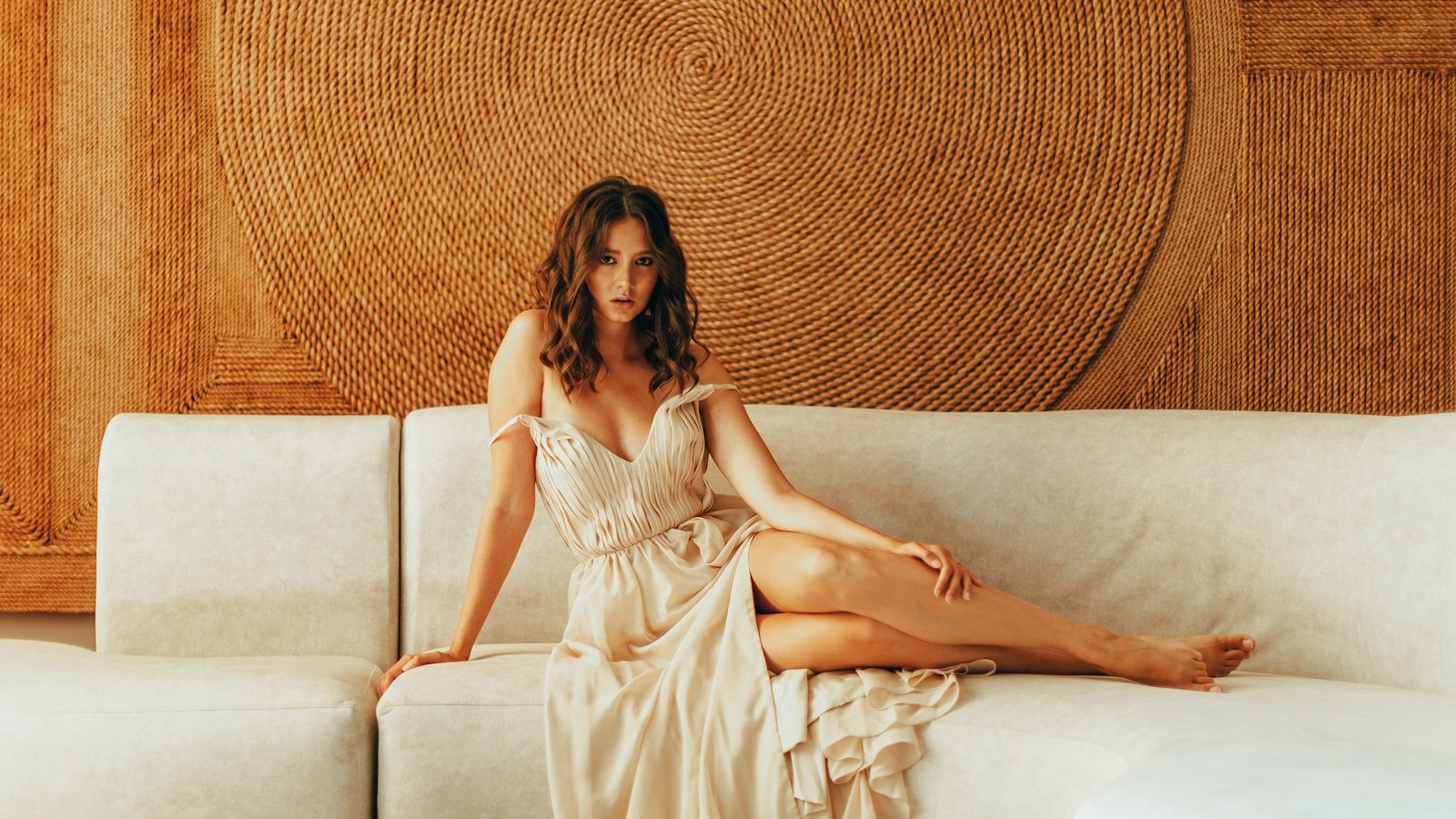
Fashion trends come and go with impressive speed, but some ideas endure because they speak to something universal. Minimal casual outfits fall firmly into this category. They do not rely on dramatic silhouettes, loud prints, or seasonal gimmicks. Instead, they draw strength from simplicity, balance, and intention. The appeal of minimal casual style lies in its quiet confidence: it offers a way of dressing that feels natural, adaptable, and accessible to almost anyone, regardless of age, body type, or lifestyle.
At its core, minimal casual dressing is about reducing excess. This does not mean sacrificing personality or creativity. Rather, it involves editing choices so that each piece serves a purpose. Clean lines, neutral tones, and uncomplicated shapes form the foundation. A well-fitted white T-shirt, straight-leg jeans, a soft knit sweater, or a tailored jacket may appear unremarkable on their own, yet together they create an outfit that feels cohesive and timeless. The power of minimalism lies in how these simple elements interact.
One reason minimal casual outfits work so well is their flexibility. A pared-down wardrobe removes the pressure of constant decision-making. When most pieces complement one another, getting dressed becomes easier and faster. This flexibility also allows outfits to shift seamlessly between settings. The same ensemble worn for a casual lunch can, with minor adjustments, suit an afternoon meeting or an evening walk. Swapping sneakers for loafers or adding a structured bag can subtly change the tone without reinventing the look.
Fit plays a central role in making minimal outfits effective. Because there are fewer visual distractions, the cut and proportion of each garment become more noticeable. Clothes that skim the body rather than cling to it tend to feel more relaxed and flattering. Minimal style often favors silhouettes that allow movement and comfort, reinforcing its casual nature. When clothing fits well, it communicates ease, suggesting that the wearer is comfortable both physically and mentally.
Color choices are another defining feature. Minimal casual outfits often rely on a restrained palette: whites, blacks, grays, beige, navy, and earthy tones. These colors are easy to mix and match, reducing the risk of clashing. They also create a sense of visual calm. Neutral shades do not demand attention, but they reward closer observation through texture and layering. A cream sweater paired with off-white trousers, for example, creates depth without relying on contrast. This subtlety is what makes minimal style feel refined rather than plain.
Texture becomes especially important when color and pattern are limited. Cotton, denim, wool, linen, and leather each bring a distinct character. Combining different textures adds richness to an outfit while maintaining simplicity. A smooth T-shirt under a chunky knit, or crisp trousers paired with a soft cardigan, introduces contrast that feels intentional. In minimal casual dressing, texture often replaces decoration, providing interest without clutter.
Another reason minimal casual outfits suit almost everyone is their inclusivity. Loud trends can feel intimidating or exclusionary, suggesting that only certain bodies or personalities can carry them well. Minimalism, by contrast, adapts easily. It does not impose a strict image but allows individuals to interpret it through their own lens. Someone drawn to sporty comfort might focus on relaxed silhouettes and sneakers, while another person might prefer sharper tailoring and leather shoes. Both approaches fit comfortably under the umbrella of minimal casual style.
Lifestyle also plays a role in the popularity of this approach to dressing. Modern life often requires clothing that can keep up with unpredictable schedules. People move between work, social commitments, and personal time with little opportunity to change outfits. Minimal casual clothing responds to this reality by prioritizing comfort and practicality without abandoning style. Elastic waistbands, breathable fabrics, and layering-friendly pieces reflect an understanding of how people actually live.
Accessories in minimal outfits are chosen carefully rather than abundantly. Instead of multiple statement pieces, one or two well-considered items complete the look. A simple watch, a leather belt, a canvas tote, or understated jewelry can elevate an outfit without overwhelming it. These accessories often become personal signatures, repeated day after day. Over time, they contribute to a sense of consistency and identity.
Footwear deserves particular attention in casual minimal style. Shoes often anchor the outfit and set its mood. Clean sneakers suggest ease and movement, while boots add structure and weight. Loafers or simple flats strike a balance between casual and polished. Because the rest of the outfit is understated, footwear choices stand out more clearly, allowing wearers to express individuality in subtle ways.
Minimal casual dressing also aligns naturally with more thoughtful consumption. Building outfits around versatile, durable pieces encourages buying less and choosing better. Instead of chasing trends, people invest in items that last across seasons. This approach not only saves time and money but also fosters a healthier relationship with clothing. Each piece earns its place in the wardrobe through repeated use rather than novelty.
There is a psychological comfort in minimal outfits that should not be underestimated. Wearing clothes that are uncomplicated can reduce self-consciousness. When an outfit does not demand attention, the wearer can focus outward rather than inward. This quiet confidence often reads as authenticity. People notice not the clothes themselves, but the ease with which they are worn. In this way, minimal style supports presence rather than performance.
Importantly, minimal casual outfits are not about perfection. They allow for imperfection and variation. Slightly worn denim, softened knits, or creased linen contribute to a lived-in feel that enhances authenticity. Minimalism does not aim for rigidity or uniformity; it embraces reality. Clothes are meant to be worn, moved in, and experienced.
Cultural influences have also shaped the rise of minimal casual style. From Scandinavian simplicity to Japanese attention to form and function, many global aesthetics value restraint and balance. These influences have filtered into everyday fashion, encouraging people to see beauty in understatement. Social media, despite its reputation for excess, has also played a role by highlighting repeat outfits, capsule wardrobes, and realistic styling.
Ultimately, minimal casual outfits endure because they respect the wearer. They do not dictate who someone should be or how they should look. Instead, they provide a flexible framework that adapts to individual needs and preferences. This universality is rare in fashion, which often thrives on novelty and exclusion.
In a world filled with visual noise and constant change, minimal casual style offers clarity. It reminds us that dressing well does not require complexity, only intention. By focusing on fit, fabric, and thoughtful combinations, anyone can create outfits that feel comfortable, confident, and distinctly their own. Minimal casual outfits succeed not because they try to impress, but because they allow people to simply be—and that is precisely why they work for everyone.
-
Simplicity That Speaks to Everyone
Summary
This essay clearly shows why minimal casual style feels timeless and inclusive. Through thoughtful discussion of fit, color, texture, and lifestyle, it explains how simple outfits create confidence and versatility, proving that effortless dressing can be both practical and deeply personal.