

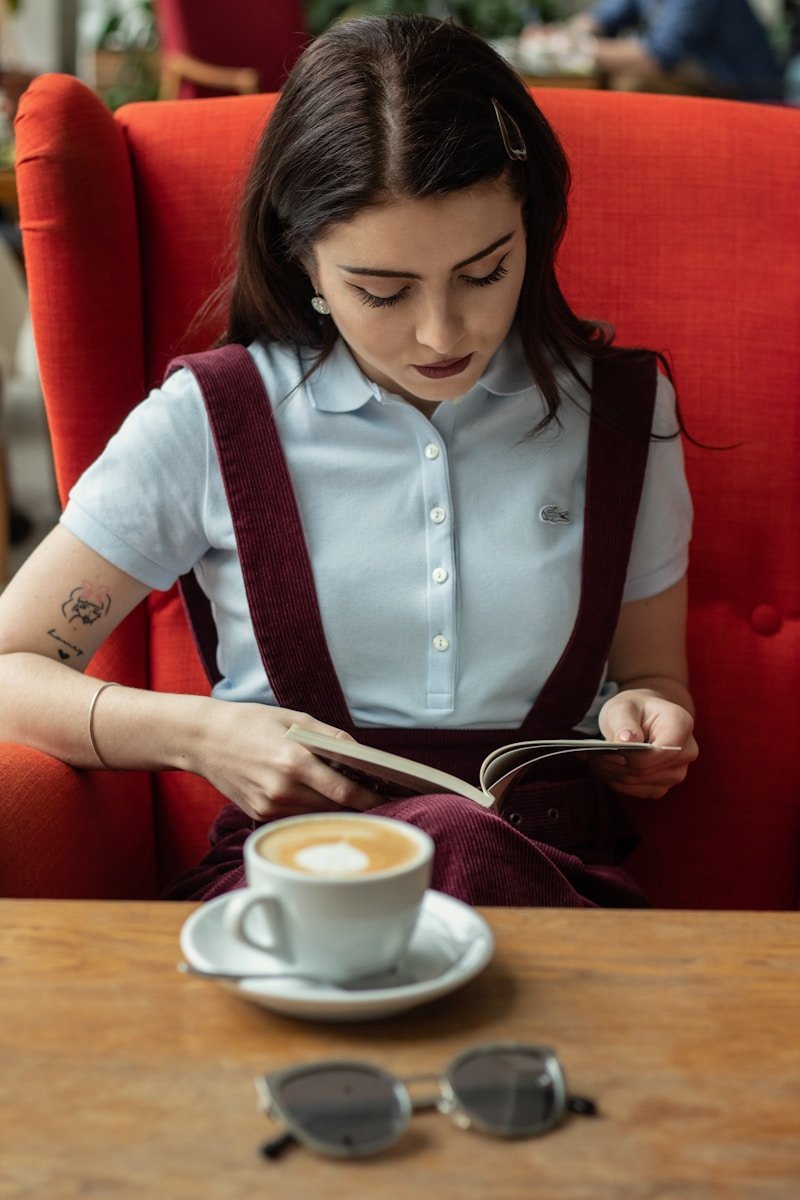
For decades, fashion and comfort were treated as opposites. To look stylish, you were expected to endure pinching shoes, stiff fabrics, and silhouettes that demanded constant adjustment. Comfort, on the other hand, was something reserved for home, travel days, or moments when appearance supposedly did not matter. Today, that outdated divide is quietly collapsing. Modern fashion is rewriting the rules, proving that comfort and trendiness are no longer competing values but complementary ones.
The rise of comfortable yet fashionable clothing reflects more than changing tastes—it signals a shift in how people live, work, and express themselves. As daily routines blur the lines between professional, casual, and social spaces, clothing must adapt. The result is a new aesthetic built on ease, flexibility, and authenticity, without sacrificing style.
The Redefinition of “Looking Good”
Traditional fashion standards often equated “looking good” with structure and rigidity. Sharp tailoring, narrow silhouettes, and restrictive materials were symbols of polish. Comfort was hidden beneath layers or ignored altogether. But modern consumers are questioning that logic. Why should looking put-together require discomfort?
Today’s definition of style places greater value on how clothing feels throughout the day, not just how it appears in a mirror. A garment that looks stunning but distracts you with constant discomfort ultimately fails its purpose. Fashion is increasingly judged by wearability—how it supports movement, confidence, and ease.
This shift has encouraged designers to rethink construction, materials, and fit. Trendiness is no longer achieved through stiffness alone but through thoughtful balance: clean lines paired with soft fabrics, modern silhouettes shaped with flexibility in mind.
Fabric as the Foundation of Comfort
Comfortable fashion begins with fabric. Advances in textile technology have transformed what everyday clothing can feel like. Soft knits, stretch blends, breathable natural fibers, and lightweight weaves allow garments to move with the body rather than against it.
Materials such as modal, bamboo blends, high-quality cotton, merino wool, and innovative synthetics offer softness without losing structure. These fabrics drape beautifully, resist wrinkling, and adapt to body temperature. They make it possible for a blazer to feel as relaxed as a cardigan, or for trousers to offer the ease of loungewear while maintaining a tailored appearance.
Texture also plays a crucial role in visual interest. Ribbed knits, brushed finishes, and subtle weaves add depth without heaviness. Comfort no longer means shapelessness; it means intelligent material choices that support both form and function.
Relaxed Silhouettes with Intent
One of the most visible changes in modern fashion is the embrace of relaxed silhouettes. Oversized blazers, wide-leg trousers, flowing dresses, and loose-knit sweaters dominate runways and street style alike. But the key difference between stylish comfort and careless dressing lies in intention.
Well-designed relaxed clothing still respects proportion. A loose top is balanced with structured pants, or wide trousers are paired with a fitted knit. Waistlines are softened but not lost, often defined subtly through tailoring, belts, or drape rather than tightness.
This approach allows the body to breathe while maintaining visual harmony. The result is clothing that feels forgiving and inclusive, accommodating different body types without forcing them into rigid molds.
Athleisure’s Evolution into Everyday Wear
Athleisure played a major role in normalizing comfort as fashion. What began as gym-inspired clothing quickly moved into everyday wardrobes. Leggings, hoodies, and sneakers became socially acceptable beyond workout spaces.
However, today’s comfortable fashion goes beyond basic athleisure. It refines it. Performance fabrics appear in elegant cuts, while casual staples are elevated through color, tailoring, and detail. Sneakers are designed with sculptural soles and premium materials. Sweatshirts are styled with pleated skirts or tailored coats.
This evolution reflects a desire for versatility. Clothing is expected to transition seamlessly from morning errands to casual meetings to evening plans. Comfort is no longer situational—it is continuous.
Trendiness Through Subtle Details
Looking trendy does not require dramatic or uncomfortable statements. In fact, some of the most current fashion trends rely on subtlety.
Small design choices—slightly dropped shoulders, asymmetrical hems, minimalist hardware, or unexpected layering—can instantly modernize a comfortable outfit. Neutral color palettes with warm undertones, soft pastels, or earthy shades add sophistication without overwhelming the senses.
Footwear exemplifies this shift particularly well. Chunky loafers with cushioned soles, sleek trainers, and low-heeled boots provide support while aligning with contemporary aesthetics. The emphasis is on walkability and durability, not just appearance.
Accessories also follow this logic. Structured bags with soft edges, elasticated belts, and lightweight scarves enhance outfits without creating physical strain.
The Psychological Power of Comfortable Style
Comfortable fashion influences more than physical sensation—it affects mindset. Clothing that feels good allows people to focus outward rather than constantly adjusting or enduring discomfort. This freedom enhances confidence, productivity, and social ease.
There is also an emotional comfort in authenticity. Wearing clothes that align with your lifestyle rather than performing for unrealistic ideals fosters self-assurance. Trendy comfort allows individuals to express style without pretending to be someone they are not.
In this sense, modern fashion is becoming more empathetic. It acknowledges real lives, diverse bodies, and the desire for clothing that supports rather than constrains.
Sustainability and Longevity
Comfortable, well-designed clothing often aligns with sustainable values. Garments that feel good are worn more frequently and kept longer. Trendy comfort encourages investment in versatile pieces rather than constant replacement.
Durable fabrics, timeless silhouettes, and adaptable designs reduce waste and promote mindful consumption. When clothing serves both aesthetic and practical needs, it becomes part of a long-term wardrobe rather than a short-lived trend.
This connection between comfort and sustainability reflects a broader cultural shift toward intentional living. Fashion becomes less about excess and more about purpose.
Dressing for Real Life
One of the greatest strengths of comfortable fashion is its adaptability to real life. Modern wardrobes must accommodate work-from-home days, hybrid offices, social gatherings, travel, and rest—all without requiring complete outfit changes.
A comfortable yet trendy outfit might include elastic-waist trousers styled with a crisp shirt, or a knit dress layered with a structured coat. These combinations respect both professionalism and ease.
Fashion no longer demands costume changes throughout the day. Instead, it supports fluid identities and dynamic schedules.
Comfort as a Style Statement
Perhaps the most radical idea in contemporary fashion is that comfort itself has become a statement. Choosing ease over restriction is no longer seen as lazy or careless, but as confident and intentional.
This does not mean abandoning elegance or creativity. On the contrary, it challenges designers and wearers alike to think more deeply about what style truly means. It asks whether beauty can coexist with kindness—to the body, to the environment, to everyday life.
Comfortable fashion that still looks trendy proves that the answer is yes.
The Future of Fashion Feels Different
As fashion continues to evolve, the line between comfort and style will likely disappear entirely. Clothing will be expected to adapt, support, and enhance daily life without compromise.
The future belongs to garments that respect movement, celebrate individuality, and remain visually relevant without demanding sacrifice. Trendiness will be measured not only by appearance but by experience.
In embracing comfortable fashion, people are not lowering standards—they are raising them. They are asking more from clothing: more thought, more flexibility, more humanity.
And in doing so, they are redefining what it truly means to be stylish.
-
When Style Finally Meets Ease
Summary
This essay thoughtfully captures the modern shift toward fashion that prioritizes comfort without losing its edge. Insightful, well-balanced, and relatable, it explores fabric, fit, psychology, and sustainability with clarity. A compelling read that reflects how real people dress today—effortlessly, confidently, and with intention.