

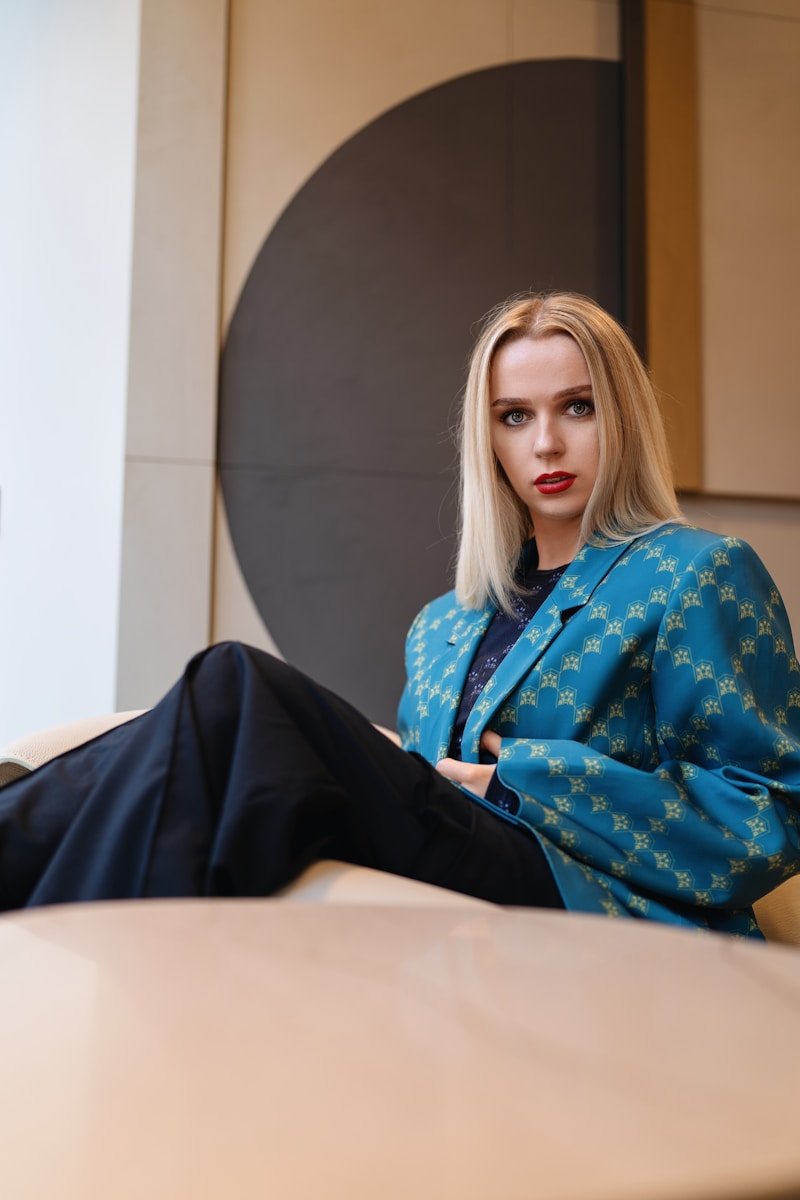
Luxury fashion is often misunderstood as a parade of excess, novelty, and fleeting indulgence. Runway shows change seasons, designers reinvent collections, and trends rise and fall with dizzying speed. Yet beneath this constant motion lies a quieter, more enduring story: true luxury is not defined by what is new, but by what lasts. Timeless luxury styles are not bound to any particular year, decade, or cultural moment. They endure because they are rooted in craftsmanship, restraint, and an understanding of beauty that transcends fashion cycles.
At its heart, timeless luxury is about permanence. A well-made leather handbag, a tailored wool coat, or a silk blouse cut with precision carries value not only in its price but in its ability to remain relevant across generations. These pieces are designed to age gracefully, developing character rather than losing appeal. They are chosen not for novelty but for their promise to accompany the wearer through changing seasons of life.
The foundation of timeless luxury lies in craftsmanship. Unlike mass-produced fashion, luxury garments are often the result of hours, sometimes days, of skilled labor. Artisans cut patterns by hand, stitch seams with care, and select materials for their durability as much as their beauty. This attention to detail creates clothing that holds its shape, retains its color, and improves with wear. A cashmere sweater that becomes softer over time or a leather shoe that molds to the foot tells a story of patience and precision, values that stand apart in a fast-moving world.
Silhouette plays a central role in creating longevity. Timeless styles favor proportions that flatter the human form rather than exaggerate it. The clean line of a tailored blazer, the gentle curve of a sheath dress, or the balanced structure of a trench coat avoids extremes. These shapes echo classical ideals of harmony and symmetry, which have guided art and design for centuries. Because they are based on the natural body rather than passing trends, they continue to feel elegant long after other silhouettes fade.
Color, too, contributes to permanence. Timeless luxury often lives in a restrained palette: black, ivory, navy, camel, gray, and soft neutrals. These tones are not chosen for drama but for versatility and depth. They pair effortlessly with one another and provide a quiet backdrop for texture and tailoring to shine. While bright colors and bold prints have their place, it is the understated hues that survive decades without appearing dated. A black evening dress or a beige overcoat carries a universal language of refinement that transcends fashion seasons.
Materials are another pillar of enduring style. Natural fibers such as silk, wool, linen, and fine cotton have been prized for centuries, not only for their beauty but for their performance. They breathe, adapt to temperature, and respond well to careful maintenance. High-quality leather ages into a rich patina, and fine wool resists wrinkles and holds structure. These materials connect luxury fashion to tradition, reminding us that innovation often begins with respect for what has already proven its worth.
Perhaps the most iconic expressions of timeless luxury are found in classic garments that appear repeatedly throughout fashion history. The little black dress, introduced as a symbol of modern elegance, remains a staple for evening and formal occasions. The crisp white shirt, borrowed from menswear and refined over time, adapts to countless styles and settings. The tailored suit, whether worn by men or women, conveys authority, poise, and confidence in any era. These pieces endure because they serve fundamental needs: they flatter, they function, and they communicate quiet sophistication.
Accessories provide further evidence of how luxury can resist time. A structured leather handbag, a pair of pearl earrings, or a simple gold watch carries meaning beyond decoration. These items often become heirlooms, passed down through families and enriched by memory. Their designs avoid unnecessary embellishment, focusing instead on balance and proportion. In a world saturated with novelty, such restraint becomes a form of distinction.
The appeal of timeless luxury also lies in its emotional dimension. Wearing a beautifully crafted garment can create a sense of connection to history, culture, and personal identity. It reminds the wearer that style is not merely about display but about self-respect and intention. When clothing fits well, feels comfortable, and reflects one’s values, it becomes a source of quiet confidence. This emotional durability is as important as physical longevity.
Modern fashion, despite its rapid pace, has begun to rediscover these principles. As consumers grow more aware of sustainability and ethical production, the idea of investing in fewer, better pieces gains strength. Timeless luxury aligns naturally with this shift. A wardrobe built around enduring styles reduces waste, encourages mindful purchasing, and honors the labor behind each garment. In this sense, timeless fashion becomes not only an aesthetic choice but a moral one.
The digital age has also influenced how timeless luxury is perceived. Social media and online shopping expose people to endless trends, yet they also provide access to archives, craftsmanship stories, and global heritage brands. This renewed visibility has sparked interest in vintage pieces and classic collections. A coat from decades ago or a watch designed generations earlier can now be celebrated as contemporary precisely because of its permanence. The past becomes a resource, not a relic.
Cultural icons further reinforce the power of enduring style. Figures known for their elegance—whether film stars, royalty, or artists—often build their public image around consistency rather than constant reinvention. Their wardrobes become recognizable signatures: a string of pearls, a tailored jacket, a simple dress. These choices shape collective memory, proving that repetition, when guided by taste, can be more powerful than constant change.
Yet timeless luxury does not mean rigidity or nostalgia. It allows room for subtle evolution. A classic silhouette may be updated with modern fabrics, or a traditional accessory may be reinterpreted with new techniques. The key is balance: innovation that respects heritage rather than erasing it. In this way, timeless style remains alive, responsive, and relevant without losing its core identity.
Ultimately, the endurance of luxury fashion reflects a deeper human desire for continuity in a changing world. Clothing that lasts offers comfort in its familiarity and reassurance in its reliability. It reminds us that not everything must be replaced, upgraded, or reinvented to hold value. Some things are worth preserving, repairing, and cherishing.
Elegance without expiration is not about owning the most expensive pieces or following rigid rules. It is about understanding quality, appreciating simplicity, and choosing garments that align with one’s life rather than momentary trends. In embracing timeless luxury, we step into a tradition that honors beauty, patience, and craftsmanship.
Long after seasonal collections fade from memory, these enduring styles remain. They hang quietly in wardrobes, ready to be worn again, carrying stories, confidence, and grace. In a world obsessed with what comes next, timeless luxury stands as a gentle reminder that true style has no deadline.
-
An Ode to Lasting Elegance
Summary
This reflective essay explores why true luxury endures beyond trends, highlighting craftsmanship, classic silhouettes, and emotional value. It connects timeless style with sustainability and personal identity, offering elegant insights without excess. Readers will appreciate its calm tone, vivid examples, and persuasive reminder that lasting beauty is built on quality, restraint.