

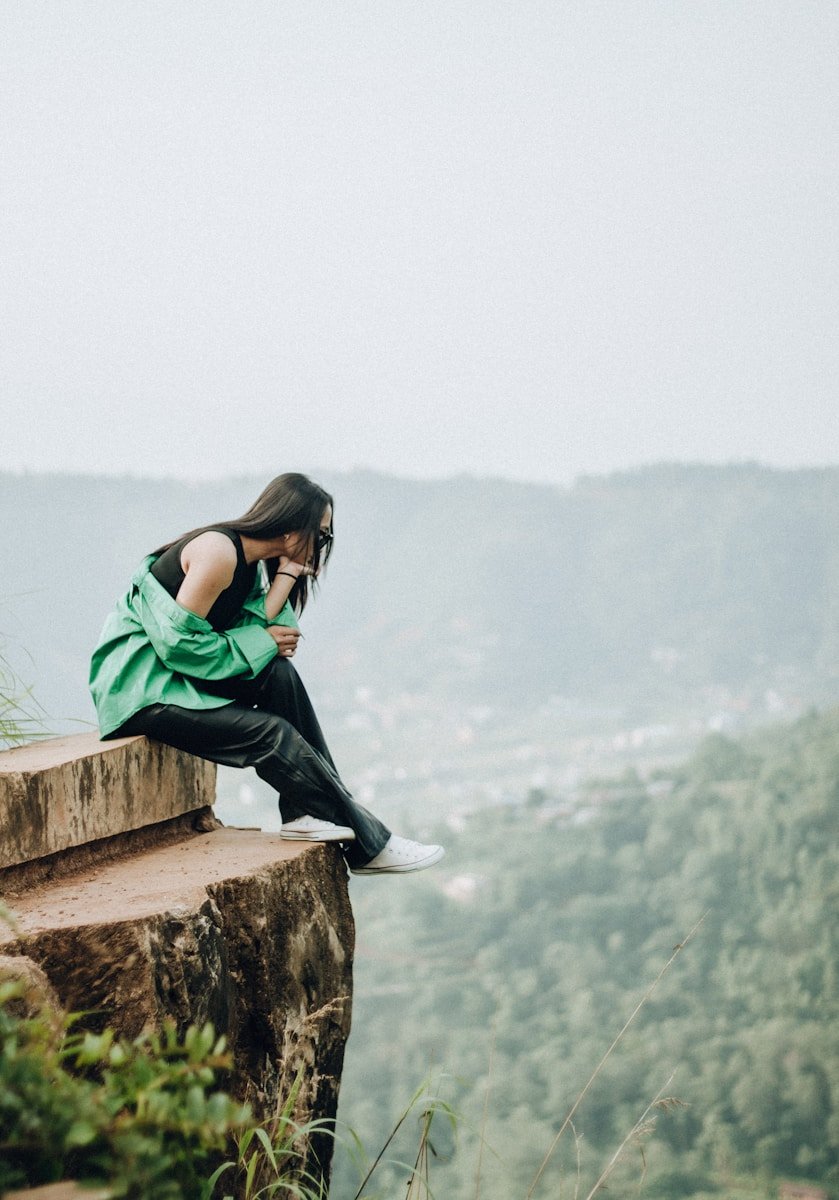
Fashion has always been more than a matter of fabric and fit. It is a language that speaks quietly about who we are, what we value, and how we see the world at a given moment in time. Each new season arrives not only with fresh garments but with subtle clues about the direction culture is moving. A trend forecast, at its best, is not a rigid list of rules but a thoughtful interpretation of social moods, technological shifts, and aesthetic longings. Looking ahead to next season, the emerging styles suggest a fascinating balance between comfort and expression, nostalgia and innovation, restraint and boldness.
One of the most noticeable themes shaping upcoming wardrobes is the continued embrace of practicality. In recent years, fashion has moved away from rigid formality and toward clothes that support real lives. This season continues that evolution, but with a more polished edge. Tailored trousers appear in softer fabrics, offering structure without stiffness. Blazers are relaxed through the shoulders, designed to look equally at home in an office, a café, or on a weekend stroll. The message is clear: modern elegance no longer requires discomfort.
Comfort, however, does not mean simplicity. Designers are finding inventive ways to add personality to everyday staples. Shirts are cut with unexpected asymmetry. Knitwear features playful textures, from ribbed waves to sculptural cables. Even classic denim is being reimagined with subtle washes, cropped hems, and carefully placed seams that flatter without demanding attention. These are clothes meant to be worn often, but never to feel ordinary.
Color tells another part of the story. After seasons dominated by neutrals and muted tones, next season welcomes a richer, more emotionally expressive palette. Deep greens, warm terracottas, and twilight blues bring a grounded sophistication, while flashes of marigold, coral, and electric lavender inject optimism and energy. Interestingly, these shades are rarely used alone. Designers prefer layered combinations that echo natural landscapes: sunset oranges paired with dusty pinks, forest greens offset by pale stone, ocean blues softened with creamy whites. The result feels harmonious rather than loud, confident without being overpowering.
Patterns, too, are returning with renewed purpose. Florals, long associated with predictable spring wardrobes, appear in abstract forms that blur the line between nature and art. Stripes are irregular, sometimes hand-drawn in appearance, lending garments a human touch. Plaids and checks come in oversized scales, suggesting both nostalgia and rebellion. These prints are not mere decoration; they tell stories of heritage, travel, and the enduring appeal of craftsmanship.
Silhouettes reveal perhaps the most intriguing shift. While oversized shapes remain popular, there is a growing interest in proportion and balance. Wide-leg trousers are paired with fitted tops. Voluminous skirts are grounded with simple knit tanks. Dresses follow the body’s natural curves without clinging, celebrating movement rather than perfection. This season’s ideal figure is not a single standardized shape but a flexible concept that adapts to different bodies and moods.
Layering becomes an art form in itself. Lightweight coats float over dresses, sleeveless vests are worn atop crisp shirts, and scarves are tied in inventive ways that frame the face and add dimension. These combinations allow wearers to adjust easily to changing weather while expressing individuality. More importantly, they reflect a deeper desire for adaptability in a world that often feels unpredictable.
Sustainability continues to influence fashion not as a trend but as a permanent shift in thinking. Consumers are increasingly aware of where their clothes come from and how they are made. As a result, next season features a noticeable rise in natural fibers, recycled materials, and low-impact dyes. Linen, organic cotton, and responsibly sourced wool appear across collections, prized not only for their environmental benefits but also for their comfort and durability.
Beyond materials, the philosophy of “fewer but better” is gaining traction. Instead of chasing endless novelty, many designers are focusing on timeless pieces designed to last for years. A well-cut coat, a beautifully constructed shirt, or a versatile pair of boots becomes the foundation of a thoughtful wardrobe. Trend forecasting in this context is less about rapid change and more about guiding people toward meaningful, long-term choices.
Technology also leaves its subtle imprint on next season’s fashion. Smart textiles that regulate temperature or resist stains quietly enter the mainstream. Digital printing techniques allow for intricate patterns that would once have been impossible to produce at scale. Even the shopping experience itself evolves, with virtual fittings and online customization offering new ways to connect with clothing before it ever touches the skin. These innovations are not always visible, but they shape how fashion is designed, produced, and worn.
Cultural influences remain as powerful as ever. This season draws inspiration from multiple eras and regions, blending them into something distinctly contemporary. There are echoes of 1970s bohemian freedom in flowing dresses and flared trousers. Minimalist tailoring recalls the sharp lines of 1990s urban style. Traditional craftsmanship from various cultures appears in embroidery, weaving, and beadwork, reminding us that fashion is a global conversation. Rather than copying the past, designers reinterpret it, honoring history while speaking to present sensibilities.
Accessories play a crucial role in defining the season’s mood. Bags are practical yet sculptural, often featuring soft leather shapes that mold to the body. Shoes favor comfort without sacrificing style: chunky loafers, refined sneakers, and low-heeled sandals dominate the scene. Jewelry leans toward organic forms, with irregular pearls, hammered metals, and stones left in their natural state. These pieces feel personal, as if collected over time rather than purchased all at once.
Perhaps the most important trend of all is the growing emphasis on self-expression. Fashion forecasting no longer dictates what everyone should wear. Instead, it offers a menu of possibilities from which individuals can choose what resonates with them. The coming season encourages experimentation: mixing high and low, old and new, tailored and casual. It celebrates individuality not through shock value but through authenticity.
This shift reflects a broader cultural change. In an age of social media and constant comparison, many people are rediscovering the pleasure of dressing for themselves. Clothes become tools for storytelling, confidence-building, and emotional comfort. A favorite sweater can feel like armor on a difficult day. A bold color can lift the spirit. A perfectly fitted jacket can remind someone of their strength and presence.
Trend forecasting, then, is not about predicting the future with precision. It is about listening—to designers, to consumers, to the rhythms of society—and translating those voices into visual form. The trends of next season suggest a world seeking balance: between speed and slowness, technology and touch, memory and imagination.
As the new collections arrive in stores and closets, they invite us to look more closely at what we wear and why. They remind us that fashion, at its core, is a reflection of human experience. Each fabric, color, and cut carries a quiet message about hope, resilience, creativity, and change.
-
A Thoughtful Glimpse Into the Future of Fashion
Summary
This essay offers a reflective and engaging exploration of upcoming fashion trends, blending cultural insight with practical style guidance. Its emphasis on comfort, sustainability, and individuality feels timely and authentic. The writing flows naturally, presenting trends not as rules, but as invitations to personal expression and mindful dressing.