

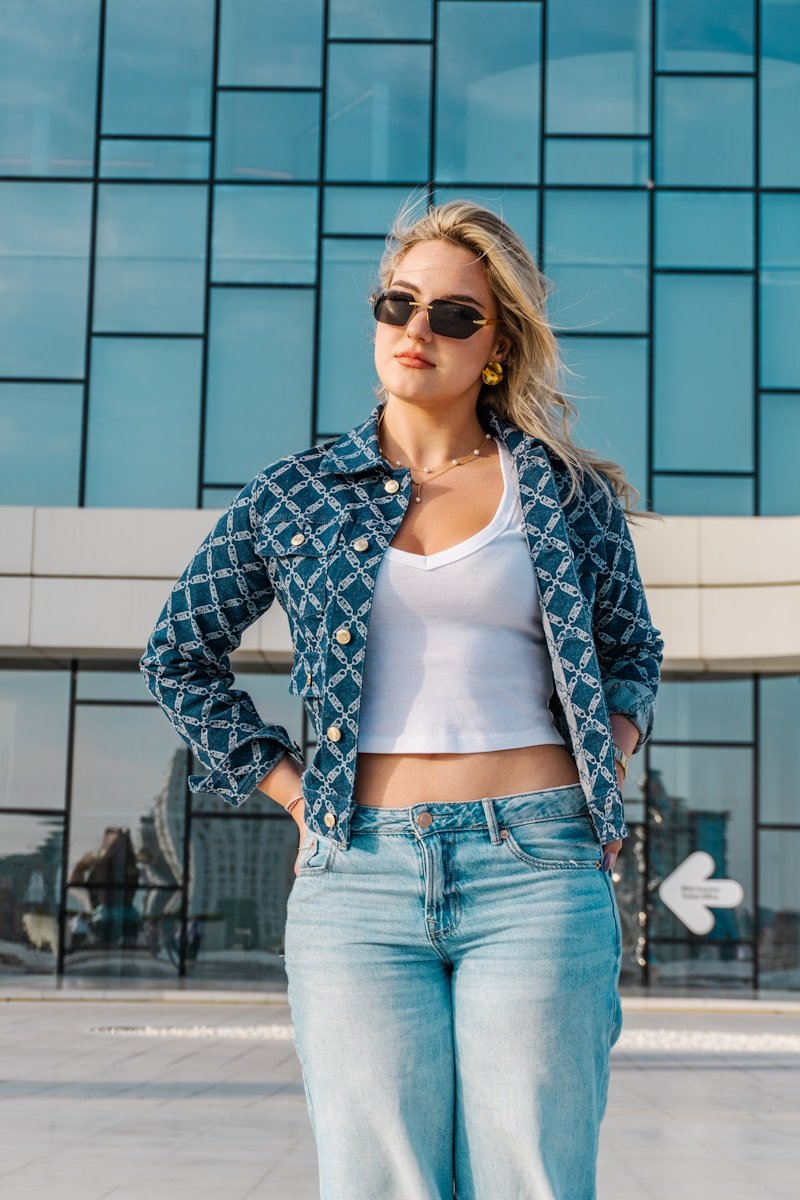
Every year fashion resets itself, not by erasing the past, but by rearranging it. Trends rarely arrive out of nowhere; they grow from last season’s leftovers, cultural moods, economic realities, and the quiet influence of everyday people deciding what feels right to wear. This year’s fashion story is less about shock and spectacle and more about balance. Comfort meets polish. Nostalgia walks alongside innovation. Personal expression finally takes center stage.
What you will see everywhere this year is not one single look, but a collection of attitudes stitched into fabric. Together, these trends tell a story about how people want to live now: freer, more thoughtfully, and with fewer rules.
Comfort, Refined
One of the most noticeable shifts is how casual wear has matured. The era of purely slouchy clothes is fading, but the craving for comfort remains. Soft tailoring now dominates closets. Relaxed trousers with sharp creases, oversized blazers worn with sneakers, and knit sets that look intentional rather than lazy are becoming everyday staples.
This trend reflects a cultural hangover from years of working and living at home. People no longer want stiff suits or rigid silhouettes, but they also want to feel put together. Designers have responded by blending structure with stretch, elegance with ease. You’ll see wide-leg pants paired with fitted tops, silky skirts worn with hoodies, and jackets that feel more like cardigans than armor.
The message is clear: looking polished no longer requires discomfort.
The Return of Quiet Luxury
Logos are stepping back this year, making room for something subtler. The rise of “quiet luxury” emphasizes craftsmanship, neutral palettes, and timeless shapes. Instead of shouting brand names, these pieces whisper quality.
Cashmere sweaters in soft beige, tailored coats in camel or charcoal, and simple leather bags dominate wardrobes. This trend borrows from old-money aesthetics, but its appeal goes deeper than status. In uncertain times, people are drawn to clothing that feels stable and lasting. A well-made coat or a perfectly cut blazer becomes an investment rather than an impulse buy.
Quiet luxury also reflects a growing fatigue with trend overload. When everything moves fast, there is comfort in choosing something that will still look good five years from now.
Color Finds Its Voice Again
While neutrals are strong, bold color is staging a confident comeback. This year is less about neon shock and more about saturated confidence. Deep reds, electric blues, sunflower yellows, and grassy greens are appearing across dresses, suits, handbags, and shoes.
Color-blocking is back in playful combinations, and monochrome outfits in striking shades are becoming common on streets and runways alike. After years of muted palettes, color feels like optimism made visible.
This trend also reflects individuality. Bright colors allow people to express mood without words. A crimson coat signals boldness. A lavender dress suggests softness. Fashion, once again, becomes emotional language.
Retro, Reimagined
Fashion never forgets its favorite decades. This year, nostalgia continues its long reign, but with fresh interpretations. The 1990s and early 2000s remain strong influences: cargo pants, slip dresses, low-rise silhouettes, and cropped cardigans have all returned. But they appear with cleaner lines, better tailoring, and modern fabrics.
The 1970s also make an appearance in flared trousers, platform shoes, and bohemian prints. Instead of copying the past exactly, designers remix it. A vintage-inspired blouse might be paired with sleek trousers. A retro jacket might come in sustainable fabric.
This blending of eras reflects how people now dress: not according to a single decade, but according to personal memory and digital inspiration.
Sustainability Moves from Trend to Standard
Sustainable fashion is no longer a niche movement. It is becoming an expectation. More brands are using recycled materials, organic fibers, and low-impact dyes. Thrift shopping and clothing resale platforms continue to grow, turning secondhand into a stylish choice rather than a compromise.
What’s changing this year is attitude. Sustainability is no longer just about saving the planet; it’s about better design. Pieces are being made to last longer, fit better, and age beautifully. Repair culture is returning, with visible mending and customizable garments celebrated rather than hidden.
Consumers are asking different questions now: Who made this? How long will it last? Can I wear it many ways? Fashion is slowing down, and in doing so, becoming more thoughtful.
Gender Rules Continue to Blur
Another defining trend is the steady erosion of rigid gender boundaries in clothing. Unisex collections are expanding, skirts appear in menswear lines, and tailoring becomes fluid rather than fixed.
Silhouettes are looser, proportions more experimental, and labels less important. A blazer can belong to anyone. Jewelry is no longer gendered. Makeup crosses traditional lines.
This shift reflects broader cultural changes. Clothing becomes a tool for self-definition rather than a uniform dictated by tradition. The result is fashion that feels freer, more playful, and more honest.
Textures Take the Lead
This year, fashion is as much about how clothes feel as how they look. Texture plays a starring role. Sheer fabrics layer over opaque ones. Leather mixes with knit. Feathers, fringe, sequins, and metallic finishes add movement and light.
Even everyday pieces gain interest through material choice: ribbed cotton instead of plain jersey, brushed wool instead of flat suiting. These tactile details bring depth to simple outfits, making minimalism feel rich rather than boring.
In a digital world where so much is virtual, texture reconnects people with the physical pleasure of clothing.
Statement Accessories Make the Outfit
Accessories are no longer an afterthought. This year they often lead the look. Oversized bags replace tiny impractical purses. Belts cinch oversized jackets and dresses, reshaping silhouettes. Sunglasses grow bolder, jewelry more sculptural.
Shoes, in particular, make statements: ballet flats return with a modern edge, chunky loafers remain strong, and metallic heels add drama to casual outfits.
These accessories offer an easy way to participate in trends without replacing an entire wardrobe. A single bold bag or pair of earrings can transform something familiar into something current.
Athletic Influences Stay Stylish
Sportswear continues its long influence, but it is evolving. Instead of full tracksuits, designers borrow details: zip collars, racing stripes, mesh panels, and drawstring waists.
Tennis skirts, bomber jackets, and retro sneakers dominate casual style. The look suggests energy and movement, even when standing still. It reflects a culture that values health, mobility, and versatility.
This trend also bridges comfort and fashion beautifully. Clothes designed to move now look good enough for brunch, meetings, and evening walks.
Personal Style Reclaims Power
Perhaps the most important trend this year is not a color, cut, or fabric, but an attitude. Fashion is becoming less prescriptive. Instead of dictating exact hemlines or must-have pieces, the industry now encourages interpretation.
People mix high and low, old and new, formal and casual. Social media showcases real individuals rather than unreachable ideals. Style becomes storytelling again.
This freedom marks a shift away from uniform trends toward curated individuality. What you will see everywhere this year is variety: different silhouettes, different influences, different voices sharing space.
A Year That Dresses for Real Life
In the end, this year’s fashion trends share a common thread: realism. Clothes are designed for how people actually live. They allow movement, reflect values, express identity, and offer comfort without sacrificing beauty.
Fashion is no longer chasing spectacle for its own sake. It is listening—to culture, to climate, to consumers. The result is a wardrobe that feels adaptable, thoughtful, and quietly expressive.
Trends will always change. Next year will bring new colors, new cuts, and new obsessions. But this moment in fashion feels especially human. It honors the past without copying it, embraces the future without rushing, and celebrates the present as it is.
And perhaps that is the most stylish trend of all.
A Thoughtful Snapshot of Modern Style
Summary
An insightful exploration of this year’s fashion landscape, the essay blends trend analysis with cultural context. It highlights comfort, sustainability, color, and individuality while avoiding clichés. Engaging and readable, it shows how style reflects real life, offering practical perspective and thoughtful commentary for readers seeking inspiration beyond fleeting runway headlines.