

Color has always been more than decoration. It carries emotion, signals change, and quietly reflects the mood of a particular moment in time. Each season brings with it a fresh palette that influences what people wear, how spaces are styled, and even how brands communicate their identity. Seasonal color trends do not emerge randomly; they are shaped by culture, environment, and collective feeling. Understanding these trends offers insight not only into fashion and design, but into the broader rhythm of society itself.
Every season begins with a shift in atmosphere. Light changes, temperatures move, and daily routines subtly adjust. Color trends often respond to these transitions. Soft pastels may rise during times of renewal, while deep, grounding tones tend to appear when people seek stability or comfort. These choices reflect an emotional response to the world, translating shared experiences into visual language. In this way, seasonal colors act as a mirror, capturing how people feel rather than simply what looks appealing.
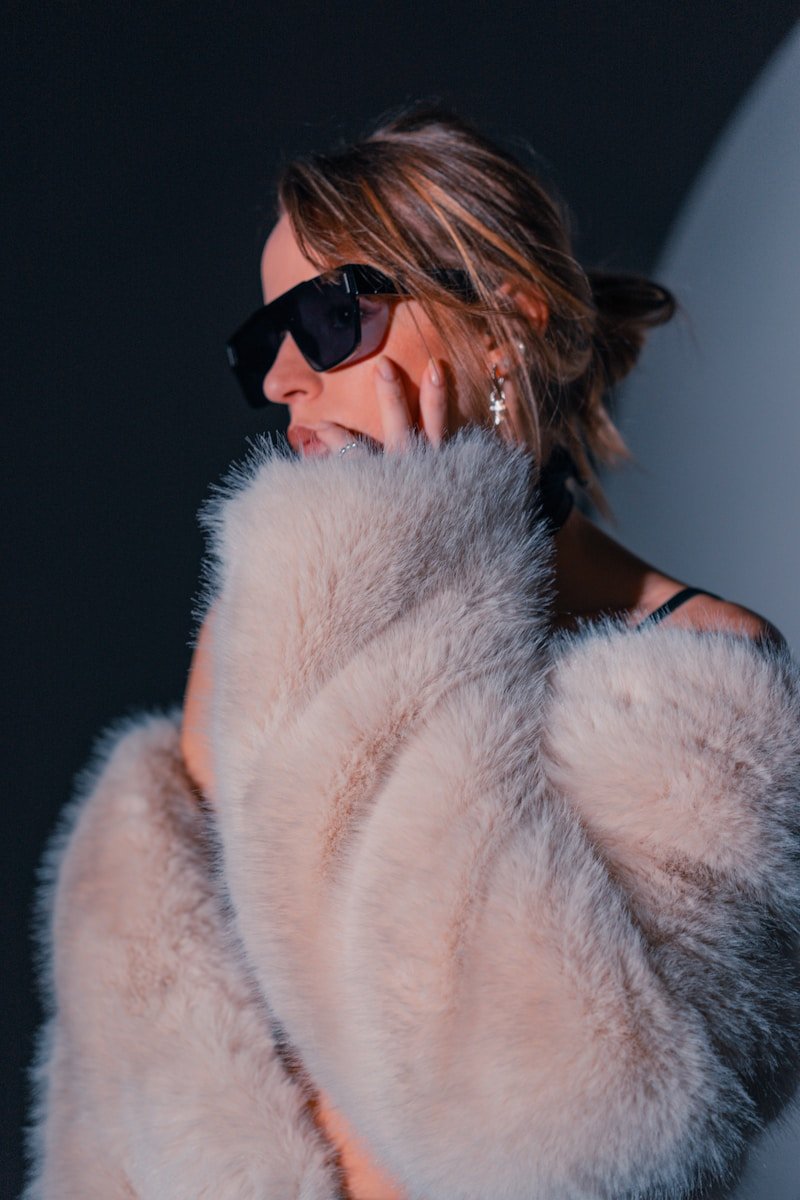
This season’s defining colors emphasize balance. There is a noticeable blend of calm, natural shades alongside confident, expressive hues. Earth-inspired tones—such as warm browns, muted greens, and clay-like neutrals—suggest a desire for grounding and connection. At the same time, brighter accents introduce optimism and creativity, preventing the palette from feeling subdued. Together, these colors reflect a collective need for reassurance without sacrificing individuality.
One reason color trends resonate so strongly is their versatility. Seasonal shades are rarely meant to dominate every outfit or interior. Instead, they appear as accents, layers, or subtle shifts in tone. A single color can feel bold or restrained depending on how it is used. This flexibility allows trends to feel accessible rather than restrictive, inviting personal interpretation rather than enforcing uniformity.
Fashion plays a central role in translating color trends into everyday life. Designers use seasonal palettes to shape silhouettes, fabrics, and moods across collections. However, trends rarely demand a complete wardrobe overhaul. Instead, they encourage thoughtful additions: a sweater in a trending shade, a scarf that refreshes a neutral outfit, or footwear that introduces color without overwhelming the look. These small choices allow people to engage with trends while staying true to their personal style.
Beyond clothing, seasonal colors influence beauty, accessories, and even technology. Makeup palettes shift to echo current hues, from warm-toned neutrals to expressive pops of color. Bags, eyewear, and jewelry follow similar patterns, reinforcing the presence of certain shades across multiple categories. This repetition strengthens the emotional association between the season and its defining colors, making them feel familiar and desirable.
Interior spaces are equally affected by seasonal palettes. Color trends often appear in home decor through textiles, paint choices, and decorative objects. Soft neutrals might dominate walls, while trend-driven colors emerge in cushions, ceramics, or artwork. This approach allows living spaces to evolve gradually, reflecting the season without requiring drastic change. The result is an environment that feels current yet timeless.
What makes seasonal color trends especially compelling is their connection to nature. Many popular shades are drawn directly from landscapes, plants, skies, and soil. This natural influence grounds trends in something universally recognizable. Colors inspired by stone, sand, water, or foliage feel intuitive and comforting, offering a sense of continuity in an unpredictable world. Even more vibrant seasonal colors often echo sunsets, flowers, or seasonal fruits, reinforcing the bond between color and environment.
Cultural context also plays a significant role in shaping color trends. Global events, social movements, and technological shifts all influence collective taste. In times of uncertainty, people may gravitate toward softer, reassuring tones. During periods of growth or optimism, brighter and more experimental colors tend to emerge. These patterns are not rigid rules, but they highlight how color functions as a form of silent communication, expressing shared hopes and concerns.
Social media has amplified the speed at which color trends spread. Platforms filled with images allow seasonal palettes to reach global audiences almost instantly. Influencers, designers, and everyday users contribute to the popularity of certain shades simply by wearing or showcasing them. This visibility accelerates adoption while also encouraging variation, as individuals adapt trends to their own aesthetics. As a result, seasonal colors feel less dictated and more collaboratively defined.
Despite their widespread influence, color trends do not demand strict adherence. Personal preference remains essential. Some people naturally gravitate toward bold hues, while others prefer muted tones regardless of the season. The value of seasonal trends lies in inspiration, not obligation. They offer a framework within which people can experiment, refresh, or reaffirm their existing style choices.
Color also has a psychological impact that extends beyond appearance. Certain shades can energize, calm, or focus the mind. Seasonal trends often align with these effects, supporting the emotional needs associated with different times of year. Warmer colors can create a sense of comfort as days grow shorter, while cooler tones may evoke clarity and openness as light increases. This subtle interplay between color and emotion enhances the relevance of seasonal palettes.
In creative industries, color trends influence branding and visual storytelling. Companies adjust packaging, advertising, and digital design to align with seasonal tones, signaling relevance and awareness. When done thoughtfully, this alignment strengthens emotional connection with audiences. Color becomes a tool for storytelling, conveying values and mood without relying on words.
Sustainability has also begun to shape how seasonal colors are approached. Rather than encouraging constant replacement, many designers and brands now emphasize longevity and adaptability. Trending colors are chosen to blend well with existing palettes, making them easier to integrate into long-term wardrobes or interiors. This shift reflects a growing awareness that trends should enhance, not overwhelm, everyday life.
Ultimately, the colors that define a season are less about rules and more about reflection. They capture a shared moment, translating collective emotion into visual form. Whether expressed through clothing, spaces, or creative work, these shades tell a quiet story about where people are and what they value. They invite participation without pressure, offering inspiration that can be embraced or interpreted freely.
As seasons change, so too will the colors that represent them. Yet the underlying purpose remains constant: to connect people to their environment, their culture, and themselves. In paying attention to seasonal color trends, we gain more than aesthetic guidance—we gain insight into the subtle ways color shapes perception, mood, and identity. And in that understanding, even the simplest shade becomes part of a much larger conversation.
-
The Colors That Capture the Season
Summary
This essay thoughtfully explores how seasonal color trends reflect emotion, culture, and lifestyle. It connects fashion, interiors, and psychology with clarity and depth, showing how color goes beyond aesthetics to express collective mood. Insightful and engaging, it encourages readers to view trends as inspiration rather than rigid rules.