

Fashion is often sold as fantasy. Runway lights blaze, models stride with impossible confidence, and clothes appear designed more for photographs than for movement, weather, or ordinary routines. Yet most of us do not live on catwalks or red carpets. We walk to buses, sit through meetings, chase children, carry groceries, and navigate unpredictable days. In this everyday reality, only certain fashion trends endure. The trends that truly work in real life are not the loudest or the most dramatic, but the ones that respect comfort, flexibility, personality, and the rhythms of daily living.
Over the past decade, a quiet shift has been taking place in how people dress. The definition of “fashionable” is no longer limited to novelty or extravagance. Instead, style has begun to favor practicality with personality. Trends that succeed beyond magazine pages are those that blend aesthetics with usefulness, allowing wearers to feel confident without feeling constrained.
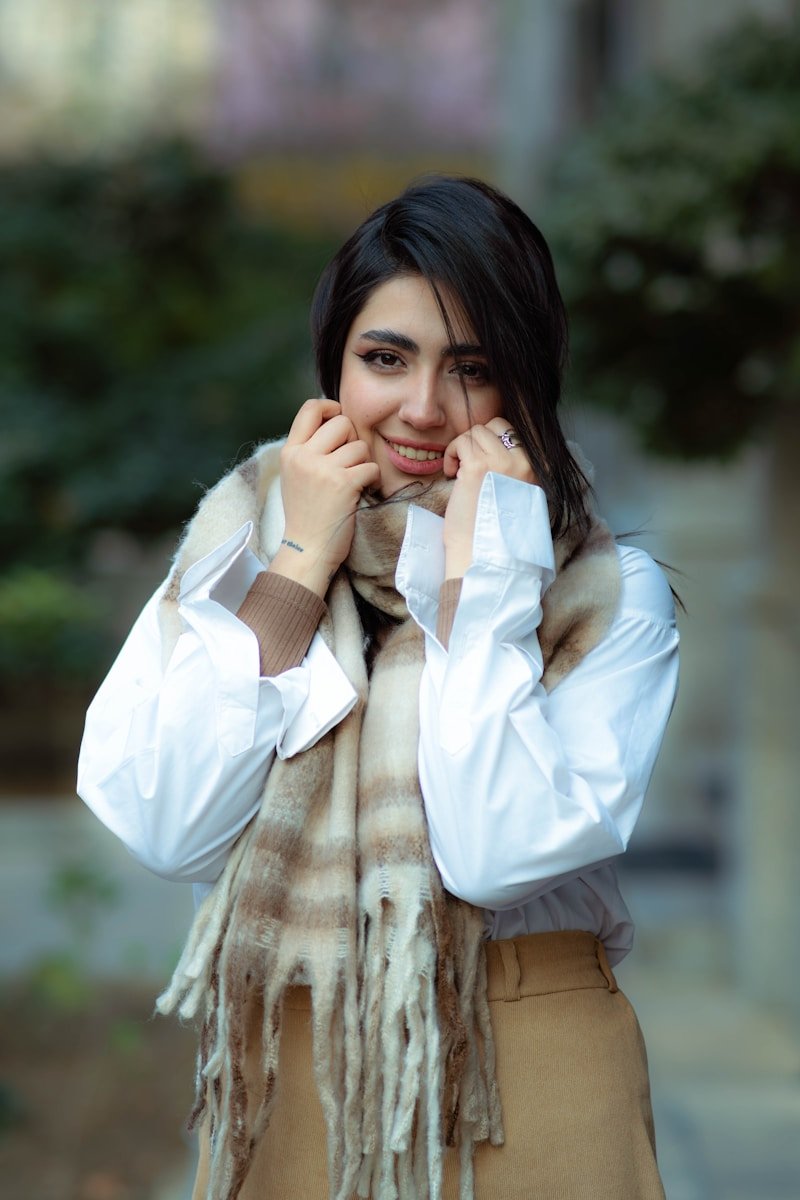
One of the strongest examples of this shift is the rise of elevated basics. Simple pieces such as well-cut white shirts, tailored trousers, neutral knitwear, and classic denim have become the foundation of modern wardrobes. These items are not new, but their renewed popularity reflects a growing appreciation for longevity. Elevated basics can be worn repeatedly, styled in countless ways, and adapted across seasons. A crisp button-down shirt works for an office meeting, a casual lunch, or an evening layered under a jacket. Unlike fleeting statement pieces, these garments earn their place by proving themselves again and again.
Another trend that has firmly rooted itself in real life is relaxed tailoring. In the past, tailored clothing often meant stiff fabrics, tight silhouettes, and an uncomfortable formality that felt disconnected from daily routines. Today’s tailoring embraces softer lines, stretch fabrics, and looser cuts. Blazers are worn with sneakers, trousers sit comfortably on the waist, and suits are designed to move with the body. This evolution allows people to look polished without sacrificing ease, making tailored pieces accessible not only for offices but also for travel, social events, and casual settings.
The growing acceptance of athleisure is perhaps one of the clearest signs that fashion is learning to listen to real lives. Leggings, joggers, hoodies, and technical sneakers have moved far beyond gyms and yoga studios. What once seemed inappropriate for public spaces is now embraced as modern and versatile. This trend works because it acknowledges a simple truth: comfort matters. Athleisure garments are designed for movement, breathability, and long hours of wear. When styled thoughtfully—with structured coats, clean sneakers, or minimal accessories—they create outfits that feel current while remaining supremely practical.
Footwear trends provide another window into what works outside editorial spreads. Sky-high heels, sculptural platforms, and delicate shoes may look stunning in photos, but they rarely survive a full day of walking. In contrast, the return of sensible shoes—loafers, ballet flats, ankle boots, and supportive sneakers—has transformed everyday dressing. Modern designs combine ergonomic construction with stylish details, proving that comfort and beauty are not enemies. Shoes that support the foot encourage confidence, mobility, and health, qualities far more valuable than a few extra inches of height.
Layering is another enduring trend that thrives in real-world conditions. Unlike dramatic single-statement outfits, layered clothing responds to the unpredictability of weather and indoor temperatures. Light jackets, cardigans, scarves, and vests allow wearers to adapt throughout the day without changing their entire outfit. Beyond practicality, layering adds depth and visual interest, giving simple garments a sense of intention and creativity. It reflects a thoughtful approach to dressing, one that values preparedness as much as aesthetics.
Color trends, too, have found ways to become more wearable. While fashion runways often showcase extreme palettes or experimental combinations, everyday fashion tends to favor tones that integrate easily into existing wardrobes. Earth tones, soft pastels, muted blues, and warm neutrals have gained popularity because they flatter many skin tones and mix well with classic pieces. These colors do not dominate the outfit; they enhance it. By choosing hues that feel natural rather than shocking, people create looks that feel stylish without demanding attention.
Perhaps one of the most meaningful shifts in fashion is the emphasis on personal style over strict trend-following. Social media has exposed us to countless aesthetics, from minimalist chic to vintage revival, but it has also encouraged individuality. Real-life fashion works best when it reflects the wearer’s personality, lifestyle, and needs. Someone who commutes by bicycle will dress differently from someone who works in a corporate office, and both can be equally fashionable. Trends that allow customization—such as mix-and-match separates, unisex silhouettes, and adaptable accessories—empower people to interpret fashion on their own terms.
Sustainability has also reshaped which trends survive beyond the runway. Fast, disposable fashion may capture attention briefly, but it rarely aligns with the values of durability and responsibility. Increasingly, consumers seek clothing that lasts, both physically and stylistically. Natural fabrics, timeless cuts, and ethically produced garments are becoming desirable not only for moral reasons but also for practical ones. A well-made coat or a sturdy pair of jeans becomes a trusted companion across years, not just a single season. This long-term perspective encourages thoughtful purchasing and reduces the constant pressure to replace one’s wardrobe.
Accessories reveal another layer of real-life fashion wisdom. Oversized hats, extreme jewelry, or novelty bags may look striking in editorial spreads, but daily life favors functionality. Crossbody bags, structured totes, minimalist jewelry, and versatile belts are popular because they serve a purpose. They carry essentials, complement multiple outfits, and withstand frequent use. The best accessories enhance rather than distract, quietly supporting the wearer’s routine.
One cannot ignore the influence of technology and remote work on contemporary fashion trends. With more people working from home or adopting flexible schedules, clothing has had to adapt. The rise of “work-from-anywhere” style blends comfort with professionalism: knit blazers, elastic-waist trousers that resemble dress pants, polished tops that feel like loungewear. These garments recognize that modern life often moves fluidly between personal and professional spaces. Fashion that works in real life must be able to cross these boundaries seamlessly.
Weather and geography also play a role in determining which trends endure. Practical outerwear—such as trench coats, puffer jackets, and waterproof boots—remains popular because it addresses real environmental needs. These items evolve in silhouette and color, but their essential function remains constant. A stylish coat that keeps out rain and wind becomes a wardrobe hero, worn far more often than any delicate or impractical piece.
Even denim, a fabric that has been reinvented countless times, illustrates the balance between trend and reality. Extreme cuts and unusual washes appear regularly, but classic fits—straight-leg, slim, relaxed—continue to dominate everyday wear. Denim works because it is durable, adaptable, and universally understood. Whether paired with a blazer, a sweater, or a T-shirt, jeans form a bridge between comfort and style that few trends can rival.
At its core, fashion that works in real life shares several qualities. It respects the body by allowing movement and comfort. It respects time by being easy to wear and style. It respects individuality by offering flexibility rather than rigid rules. And it respects longevity by favoring quality and adaptability over novelty.
This does not mean that creativity has disappeared from fashion. On the contrary, true creativity often lies in subtlety. A well-placed seam, an unexpected texture, a thoughtful color choice—these details elevate everyday garments into expressions of artistry. Real-life fashion does not shout; it speaks clearly and confidently.
In the end, the most successful trends are those that understand people as they are, not as ideals. They acknowledge that fashion is not a performance but a companion to daily living. When clothing supports movement, confidence, and authenticity, it becomes more than decoration—it becomes part of how we navigate the world.
Fashion trends that truly work in real life may not always make headlines, but they shape wardrobes, routines, and identities in lasting ways. They remind us that style is not about chasing perfection or spectacle. It is about choosing pieces that help us feel comfortable in our own skin as we move through ordinary, extraordinary days.
-
A Grounded Take on Wearable Fashion
Summary
This essay offers a thoughtful, realistic look at modern fashion, celebrating comfort, sustainability, and personal style over spectacle. Its clear examples and balanced tone make trends feel approachable and practical. Readers seeking guidance for everyday dressing will appreciate the emphasis on longevity, individuality, and confidence in ordinary life each day.