

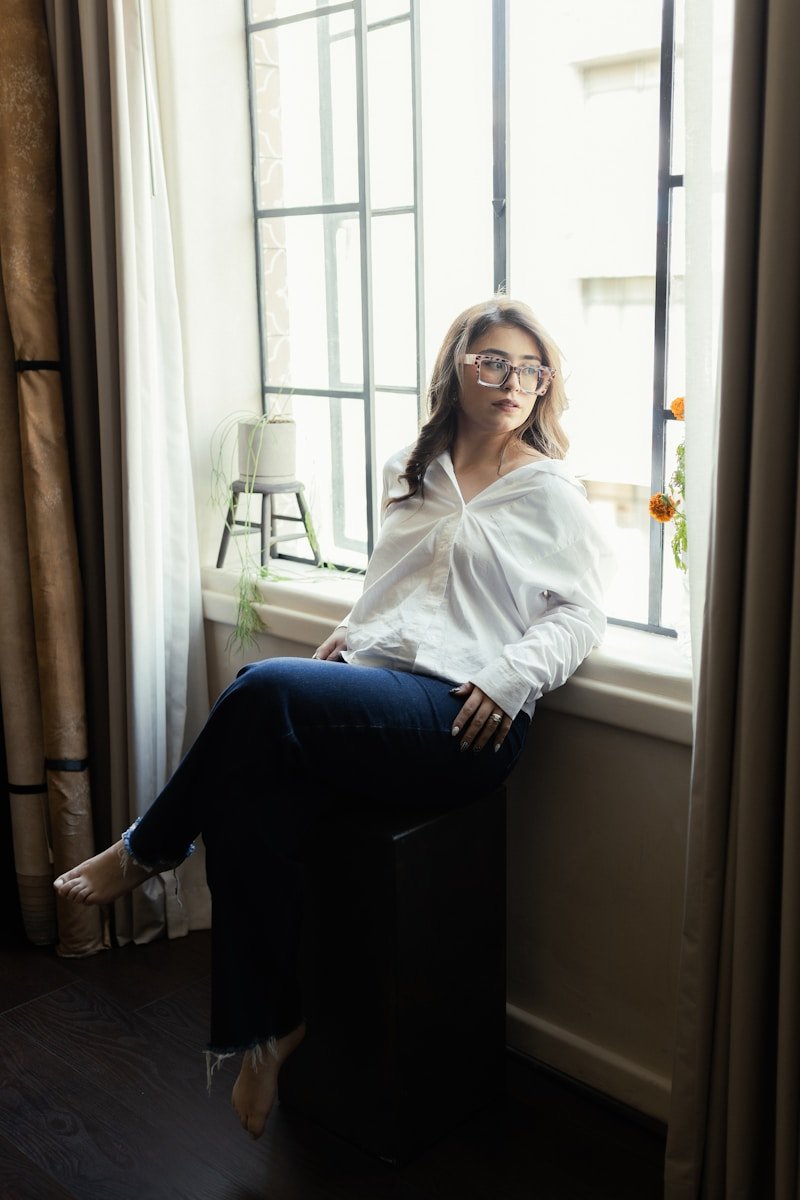
Casual style is often misunderstood. Many people assume it simply means throwing on whatever feels comfortable, without much thought or intention. In reality, a well-built casual wardrobe is one of the most deliberate forms of dressing. It balances comfort and appearance, practicality and personality, simplicity and individuality. Creating a “perfect” casual wardrobe is not about chasing trends or owning endless options—it is about building a thoughtful collection of clothes that work together and reflect how you actually live.
The foundation of a great casual wardrobe starts with understanding your lifestyle. Before buying anything new, it is essential to take an honest look at how you spend your days. Are you commuting, working from home, walking often, traveling frequently, or attending casual social gatherings? Clothing should serve your real routines, not an imagined version of yourself. A wardrobe built around daily needs naturally feels more cohesive and easier to use.
Once lifestyle is clear, fit becomes the most important element. No matter how expensive or stylish a piece is, if it does not fit well, it will never look right. Casual clothing especially relies on good proportions because it lacks the structure of formalwear. Well-fitted jeans, T-shirts that sit properly on the shoulders, and jackets that follow the body without pulling instantly elevate a simple outfit. Investing time in finding the right cuts—or tailoring key items—often matters more than the brand name on the label.
A perfect casual wardrobe is built on strong basics. These are the pieces you reach for repeatedly because they are reliable, versatile, and comfortable. Think of high-quality T-shirts, neutral sweaters, classic denim, casual trousers, simple sneakers, and lightweight jackets. These items form the backbone of everyday dressing. Choosing neutral colors such as white, black, gray, navy, beige, and olive makes mixing and matching effortless. With a solid base, getting dressed becomes quicker and more intuitive.
Fabric choice plays a subtle but crucial role. Casual clothing is worn often, washed frequently, and expected to move with the body. Natural fibers like cotton, wool, and linen tend to age better and feel more comfortable over time. Blended fabrics can add stretch or durability when needed. Paying attention to texture—such as a soft knit, sturdy twill, or relaxed denim—adds depth to simple outfits without relying on bold patterns or logos.
While basics create structure, personality comes from thoughtful variation. A perfect casual wardrobe should include a few statement or interest pieces that reflect individual taste. This could be a vintage jacket, a bold knit, an interesting pair of shoes, or accessories like scarves, watches, or hats. These elements prevent casual style from becoming boring or uniform. The key is moderation: personality pieces should complement the basics, not overwhelm them.
Footwear deserves special attention in casual dressing. Shoes often define the tone of an outfit more than any other item. Clean sneakers, loafers, boots, or minimalist trainers can instantly shape how casual or polished an outfit feels. Comfort is essential, but design and condition matter just as much. Well-maintained shoes suggest care and intention, even in the most relaxed looks.
Layering is another hallmark of a strong casual wardrobe. Layers add visual interest, adapt to changing weather, and allow outfits to evolve throughout the day. A T-shirt under a flannel, a hoodie beneath a jacket, or a lightweight sweater over a button-down creates flexibility. Mastering layering means choosing pieces that work together in both color and weight, avoiding bulk while adding dimension.
Color coordination is often overlooked but makes a significant difference. A cohesive color palette simplifies outfit choices and reduces unnecessary purchases. This does not mean avoiding color altogether, but rather choosing shades that work well together and suit your skin tone. Earth tones, muted pastels, and deep neutrals are particularly effective in casual wear, offering variety without clashing.
A perfect casual wardrobe also values quality over quantity. Owning fewer well-made pieces often leads to better style and less stress. High-quality garments tend to last longer, feel better, and maintain their shape. They also encourage mindful shopping habits. Instead of buying impulsively, building a wardrobe slowly allows each piece to earn its place. Over time, this approach creates a closet where almost everything works together.
Seasonality should guide wardrobe planning as well. Casual wardrobes benefit from thoughtful rotation rather than constant replacement. Lightweight fabrics and breathable cuts suit warmer months, while knits, heavier denim, and outerwear define colder seasons. Transitional pieces—such as overshirts, cardigans, and mid-weight jackets—help bridge seasonal gaps and increase versatility.
Comfort remains central to casual style, but comfort does not mean careless. Elastic waistbands, relaxed fits, and soft fabrics can still look refined when balanced correctly. The goal is clothing that supports movement and ease without appearing sloppy. Ironed shirts, clean lines, and intentional combinations preserve polish while maintaining comfort.
Personal grooming and clothing care are often the invisible elements of a perfect casual wardrobe. Clean shoes, wrinkle-free garments, and well-maintained fabrics elevate even the simplest outfit. Casual style is less forgiving of neglect because it relies on subtle details rather than dramatic structure. Regular washing, proper storage, and small repairs extend the life of clothing and maintain its appearance.
Trends should be approached with caution. Casual fashion trends change quickly, but a perfect wardrobe is built for longevity. It is wise to experiment with trends in small doses—perhaps through accessories or affordable pieces—rather than reshaping the entire wardrobe. Timeless silhouettes and classic combinations provide stability, while trends add temporary freshness.
Another important aspect is confidence. Casual clothing is often a reflection of personal comfort and self-assurance. When you feel at ease in what you wear, it shows. A perfect casual wardrobe should make you feel like yourself, not like you are performing for others. This sense of authenticity is what ultimately makes casual style appealing.
Sustainability increasingly shapes how people think about their wardrobes. Building a perfect casual wardrobe today often includes considering where and how clothes are made. Choosing ethical brands, buying second-hand, or simply buying less all contribute to a more responsible approach. Casual wardrobes, by nature, lend themselves well to longevity and reuse.
Finally, building a perfect casual wardrobe is an ongoing process, not a one-time project. Tastes evolve, lifestyles change, and clothing wears out. Regularly reassessing what you own—keeping what works and letting go of what doesn’t—keeps the wardrobe functional and relevant. Perfection, in this sense, is not static. It is a balance that shifts with time.
-
A Thoughtful Guide to Mastering Everyday Style
Summary
This review appreciates the essay’s clear, human take on building a casual wardrobe. It emphasizes fit, lifestyle, and intention over trends or labels. The writing feels grounded and relatable, offering realistic guidance that helps readers create a comfortable, versatile wardrobe that truly reflects who they are.