

Every season arrives with its own quiet revolution. Sometimes it announces itself with dramatic silhouettes or unexpected fabrics, but more often it slips in through color. Before a hemline shortens or a jacket widens, the palette changes. We notice it in shop windows, in magazine spreads, in the soft redecoration of cafés and living rooms. Color, more than any other design element, tells the emotional story of a season. It reveals what we crave, what we fear, and what we hope to become.
This season’s color trends do more than decorate surfaces. They speak of balance in uncertain times, of comfort mixed with courage, of a world that wants both calm and character. Rather than leaning into a single dominant hue, designers, artists, and tastemakers are embracing a layered spectrum: grounded neutrals, luminous brights, nostalgic pastels, and earthy naturals that anchor the imagination. Together, they form a palette that feels both intentional and instinctive, offering freedom rather than rules.
The Return of Soft Power: Neutrals with Personality
Neutrals are often dismissed as background players, but this season they take center stage with renewed purpose. Instead of stark blacks and flat beiges, we are seeing warm creams, mushroom grays, oat milks, and weathered stones. These shades are subtle but expressive, carrying warmth and texture that feel deeply human.
What makes this shift interesting is how these neutrals are being styled. They are no longer merely safe choices; they are the foundation for experimentation. A sand-colored coat paired with a flash of coral, a dove-gray wall accented by copper fixtures, or a taupe dress cut in an architectural shape transforms restraint into quiet confidence.
This move toward nuanced neutrals reflects a collective desire for grounding. In a fast-moving digital world, these colors offer visual rest. They suggest permanence, calm, and continuity—qualities many people are seeking both in their wardrobes and in their living spaces.
Nature Reimagined: Earth Tones with Depth
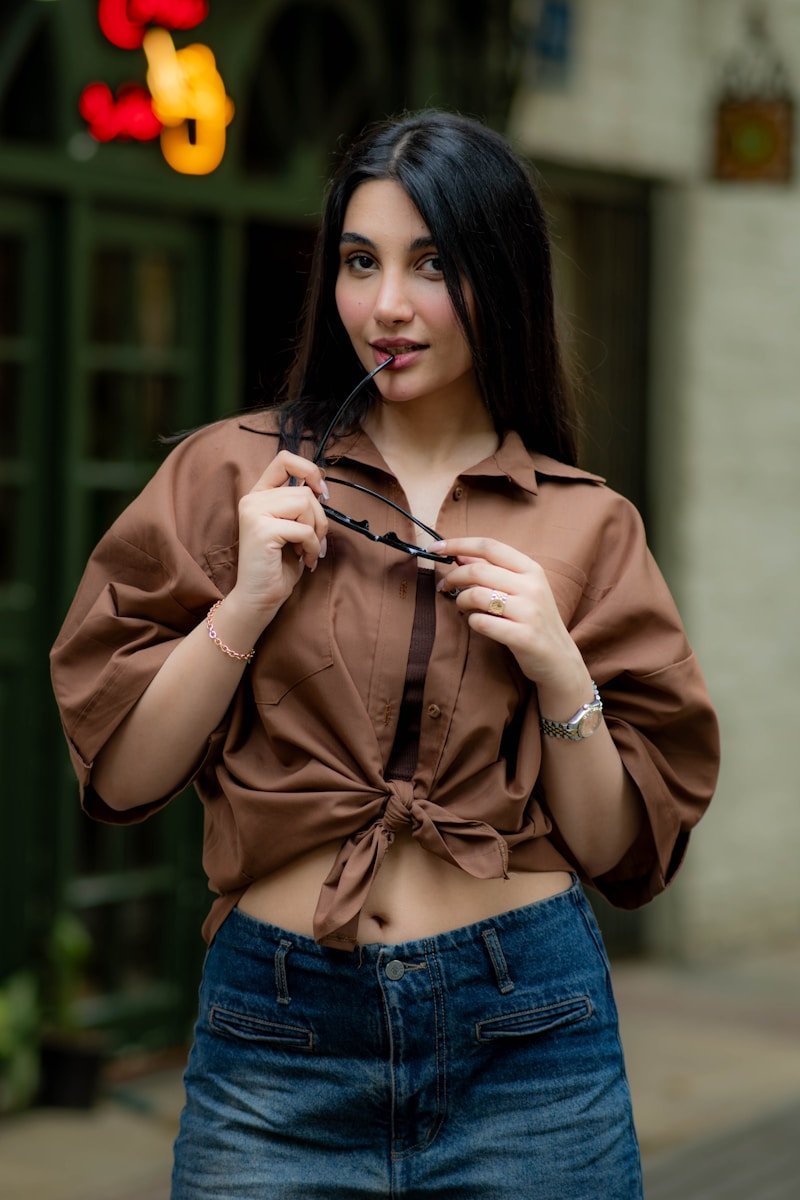
If neutrals form the base, earth tones provide the soul of this season’s palette. But these are not the dusty browns and dull greens of past decades. Today’s earth tones are rich, saturated, and layered: clay reds, olive moss, terracotta, bark brown, and mineral ochre.
These colors echo landscapes rather than literal soil. They evoke desert sunsets, forest shadows, canyon walls, and riverbeds. Designers are drawing from the natural world not to imitate it, but to translate its emotional resonance into wearable and livable forms.
In fashion, these hues appear in fluid fabrics and structured tailoring alike, making them surprisingly versatile. In interiors, they lend depth and intimacy, turning rooms into retreats rather than showcases. Earth tones ground us not by dulling our senses, but by reminding us of our place within a wider, breathing world.
Bold Interruptions: Bright Colors That Refuse to Whisper
Against this backdrop of calm and grounded hues, bold colors arrive like punctuation marks. Electric blue, citrus yellow, hot magenta, and vivid emerald slice through neutral palettes with unapologetic energy. These are not accents meant to fade politely into the background. They demand attention.
What sets this season’s brights apart is how intentionally they are used. Instead of overwhelming an outfit or a space, they appear in strategic bursts: a statement bag, a single wall, a pair of shoes, a bold eyeliner stroke. The effect is playful rather than chaotic, confident rather than loud.
This selective boldness mirrors a cultural mood that values expression but also restraint. People want joy, but they want control over how it enters their lives. A flash of bright color becomes a personal signature, a reminder that individuality still matters even in times of conformity.
Pastels with Memory: Nostalgia in Soft Focus
Pastels have always carried nostalgia, but this season they arrive with new complexity. Lavender, mint, powder blue, peach, and butter yellow are no longer childish or purely romantic. Instead, they feel reflective, almost poetic.
These shades are tied closely to memory. They recall faded photographs, early spring mornings, seaside holidays, and childhood bedrooms. Yet designers are pairing them with modern silhouettes, sharp tailoring, and unexpected textures, creating a dialogue between past and present.
In clothing, pastels soften strong shapes and add emotional nuance. In interiors, they bring light without sterility, warmth without heaviness. They suggest gentleness in a world that often feels too sharp, offering visual comfort without sentimentality.
Metallic Whispers: Subtle Shine for a New Kind of Luxury
While previous seasons favored dramatic metallics and glossy finishes, this season leans toward quieter shine. Champagne gold, brushed silver, soft bronze, and pearl-toned finishes replace mirror-like surfaces. The effect is luminous rather than reflective.
This restrained use of metallic color signals a shift in how luxury is perceived. Instead of opulence through excess, the new luxury is about refinement and tactility. A subtle sheen on fabric, a glimmer in makeup, or a metallic thread woven into upholstery adds dimension without spectacle.
These metallic whispers pair beautifully with both neutrals and brights, acting as bridges between calm and energy. They remind us that elegance does not need to shout to be heard.
Unexpected Pairings: When Color Breaks Its Own Rules
Perhaps the most defining feature of this season’s color trends is the freedom to combine shades that once seemed incompatible. Rust with lilac, navy with chartreuse, blush with chocolate brown—these pairings challenge traditional harmony but create fresh visual stories.
This openness reflects a broader creative movement toward individuality and experimentation. Rather than following rigid color charts, people are trusting intuition. They are mixing tones based on mood, memory, and personal meaning rather than convention.
In both fashion and interiors, these unexpected combinations feel alive. They suggest curiosity, courage, and a willingness to embrace complexity. Color becomes not just decoration, but conversation.
Beyond Style: What These Colors Say About Us
Color trends do not emerge in isolation. They are shaped by social change, economic shifts, technological innovation, and emotional climates. This season’s palette tells a story of contrast and coexistence.
The rise of grounding neutrals and earth tones speaks to a longing for stability and connection. The selective use of brights reveals a hunger for joy tempered by mindfulness. Pastels reflect nostalgia and tenderness, while metallics suggest a redefinition of luxury. Unexpected pairings celebrate individuality in a world that often pushes uniformity.
Together, these trends reveal a collective desire for balance. We want calm but not boredom, expression without chaos, comfort with a hint of daring. Color becomes the medium through which we negotiate these desires.
Painting the Season Your Own Way
Trends, however influential, are invitations rather than instructions. The true power of this season’s colors lies in their flexibility. Whether you gravitate toward serene neutrals, vibrant brights, soft pastels, or earthy depths, there is space to adapt them to your own narrative.
You might introduce a single bold accessory into a neutral wardrobe, repaint a room in a warm clay tone, or experiment with pastel layers in unexpected ways. You might mix metallic accents with natural textures, or pair colors that simply make you feel alive.
A Luminous Guide to the Season’s Palette
Summary
An insightful, elegantly written exploration of seasonal color trends that blends design, psychology, and culture. The essay balances theory with vivid imagery, offering practical inspiration without sounding prescriptive. Its nuanced treatment of neutrals, brights, and unexpected pairings feels timely, thoughtful, and refreshingly human for readers seeking style and meaning today.