

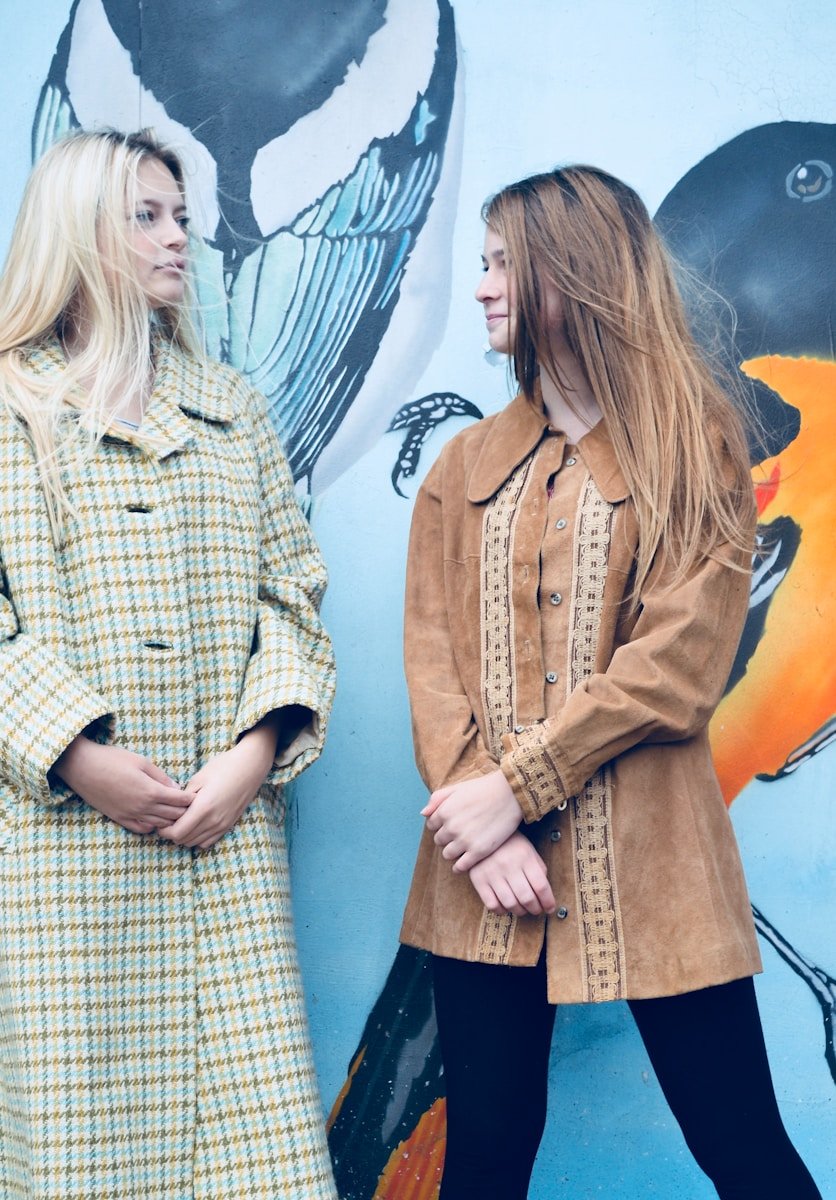
Fashion has always been a conversation between past and present, but in recent years that dialogue has grown louder, more confident, and more deliberate. What once appeared as fleeting nostalgia—an occasional retro dress or a borrowed silhouette—has transformed into a broad cultural movement. Vintage styles are not merely resurfacing as novelty; they are shaping contemporary identity, redefining sustainability, and reframing what it means to be modern. The comeback of vintage fashion is not about imitation. It is about reinterpretation, memory, and the search for meaning in an age that often feels disposable.
At first glance, the revival of old styles may seem like a predictable cycle. After all, hemlines rise and fall, shoulders widen and narrow, and trends from decades past periodically reappear. Yet the current resurgence feels different. Instead of cherry-picking a single era, today’s designers, stylists, and everyday wearers are drawing from many periods at once. The clean tailoring of the 1940s sits beside the playful patterns of the 1970s. Denim cuts inspired by the 1990s coexist with Victorian lace details. This layered approach suggests that the appeal of vintage now lies less in strict historical accuracy and more in storytelling. Clothing has become a way to narrate personal history, even if that history predates the wearer by generations.
One reason vintage has gained new power is the cultural hunger for authenticity. In a world saturated with fast fashion and algorithm-driven trends, vintage garments carry a sense of permanence. A well-made wool coat from the mid-twentieth century or a leather bag that has softened with age speaks of craftsmanship that resists disposability. These items are not designed to be worn a handful of times and discarded; they are meant to endure. By choosing them, wearers quietly reject the logic of constant replacement and embrace the idea that style can mature rather than expire.
Sustainability has further propelled this shift. As awareness grows about the environmental cost of mass production, vintage shopping has become both a moral choice and a fashionable one. Buying secondhand reduces waste, extends the life of existing garments, and minimizes demand for new resources. Yet the appeal goes beyond ethics. Vintage clothing offers individuality in a market that often feels homogenized. When someone steps into a room wearing a dress from the 1950s or a jacket from the 1980s, the garment carries a narrative that cannot be replicated by mass-produced items hanging in thousands of identical stores.
Digital culture has played an unexpected role in this revival. Social media platforms have turned thrift stores and flea markets into stages for discovery. Influencers post “before and after” transformations, showcasing how an oversized blazer from a charity shop can become the centerpiece of a modern outfit. Hashtags devoted to retro aesthetics gather millions of views, introducing younger generations to silhouettes they might otherwise never encounter. The internet, often blamed for accelerating disposable trends, has paradoxically become a powerful tool for preserving the past.
Cinema, television, and music have also reignited interest in earlier decades. Period dramas romanticize corsets and waistcoats, while films set in the 1970s or 1990s revive flared trousers, leather jackets, and statement sunglasses. Musicians borrow visual cues from past icons, turning stage costumes into cultural signals. These images do more than inspire fashion; they invite viewers to imagine themselves in different eras, adopting fragments of history as part of their own self-expression.
Yet vintage style is not confined to clothing alone. Interior design, graphic art, and even technology aesthetics echo the same impulse. Mid-century furniture, with its clean lines and warm wood tones, fills modern apartments. Retro typography appears in branding, signaling reliability and charm. Vinyl records, once nearly obsolete, now line the shelves of collectors who value the ritual of listening as much as the sound itself. Across disciplines, the past is being curated, edited, and woven into the present.
What makes this revival powerful is the way it blends reverence with innovation. Designers rarely reproduce garments exactly as they were. Instead, they adapt old patterns to contemporary needs. A corset becomes a flexible, comfortable top. High-waisted trousers gain modern fabrics and tailoring. Even the once-rigid gender codes of earlier fashion eras are being reimagined. Suits inspired by 1930s menswear are worn by people of all identities, while dresses borrow masculine lines. The past is not a museum exhibit; it is a toolkit.
There is also a psychological dimension to the vintage comeback. In uncertain times, people often look backward for reassurance. Familiar shapes and fabrics can offer comfort when the future feels unpredictable. Wearing something inspired by a grandparent’s era or displaying furniture reminiscent of childhood homes can create a sense of continuity. It reminds us that other generations faced change and survived, leaving behind artifacts that still serve and delight.
At the same time, vintage fashion challenges conventional ideas of progress. Modernity has long been associated with novelty, speed, and innovation. The embrace of older styles suggests a more complex vision of advancement—one that values refinement as much as invention. By integrating the past into daily life, society acknowledges that progress does not require erasing history. Instead, it can mean learning from it, preserving what worked, and adapting it to new contexts.
Critics sometimes argue that the vintage trend risks becoming superficial, reducing rich histories to aesthetic props. A flapper dress, stripped of its social and political context, can become mere decoration. This concern is valid, but it also highlights an opportunity. When approached thoughtfully, vintage fashion can spark curiosity about the eras it represents. A beaded gown might lead someone to explore the cultural upheavals of the 1920s. A military-inspired coat could open conversations about wartime design and utility. In this way, clothing becomes an entry point to historical understanding.
The future of vintage style seems less like a temporary revival and more like a permanent shift in how fashion evolves. Instead of linear progress, we are witnessing a spiral—styles returning, reshaped by new values and technologies. Three-dimensional printing, digital tailoring, and sustainable fabrics are now being paired with silhouettes from long ago. The result is a hybrid aesthetic that feels both familiar and fresh.
Ultimately, the powerful comeback of vintage styles reflects a deeper desire to reconnect—with craftsmanship, with memory, and with meaning. In choosing garments and objects that have lived before, people assert that beauty does not depend on novelty alone. They remind us that elegance can be timeless, that stories can be worn, and that the past, far from being a burden, can be a source of endless inspiration.
-
A Timeless Return — Revisiting the Power of Vintage Style
Summary
This reflective essay explores why vintage fashion resonates today, weaving sustainability, identity, and cultural memory into a graceful narrative. With vivid examples and balanced insight, it shows how past and present collaborate. The piece avoids nostalgia clichés, offering thoughtful commentary on craftsmanship, individuality, and the enduring power of style everywhere.